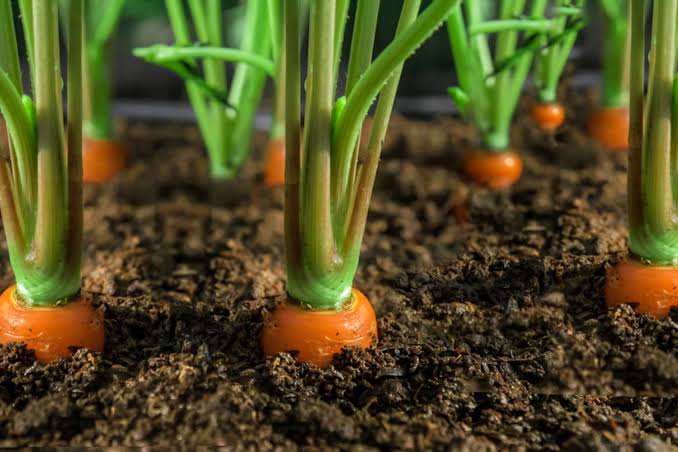
If you want to grow smarter with “How to plant carrots!”, you’re in the right place. Carrots are one of the easiest and most rewarding vegetables to grow once you understand what they like: loose soil, cool weather, and a little patience.Whether you’re in the United States, United Kingdom, or Canada, this guide will walk you through everything from picking the right variety to planting, caring, and harvesting sweet, crunchy carrots.Why Carrots Are Worth GrowingCarrots are:Space-efficient – you can pack lots into a small bed or raised planterBudget-friendly – a cheap packet of seeds gives you loads of carrotsTasty & healthy – full of vitamin A, fibre, and great for snacks or cookingLearning how to plant carrots properly helps you avoid common problems like short, forked roots or tiny, bitter carrots – and that’s what “grow smarter with How to plant carrots!” is all about.Step 1: Choose the Right Carrot VarietyDifferent carrot varieties suit different gardens. Before you start planting, decide what works best for you.Common TypesNantesCylindrical, sweet, and tenderGreat for beginners and home gardensDanversSlightly tapered, good for heavier soilsTough and reliableChantenayShort and chunkyGood if your soil is shallow or a bit rockyBaby/mini carrotsNaturally small varieties, perfect for containers and raised bedsIf your soil is deep and loose, you can grow long varieties. If it’s shallow or a bit stony, shorter types (like Chantenay or baby carrots) are smarter choices.Step 2: Pick the Best SpotCarrots aren’t fussy, but they do have preferences.LightFull sun is best (6+ hours of direct light)They’ll tolerate some light shade, but roots may be smallerTiming (Cool Weather Crop)In most areas of the US, UK, and Canada, carrots like:Spring and early summer sowing for summer/early autumn harvestLate summer sowing for autumn or early winter harvest (in milder climates)Carrot seeds germinate best when the soil is cool but not freezing – generally in early to mid-spring once the soil can be worked.Step 3: Prepare the Soil (This Is Huge for Good Carrots)If you really want to grow smarter with How to plant carrots!, focus on the soil. Carrots grow downwards, so anything that blocks them can cause twisted or forked roots.What Carrots LoveLoose, crumbly soil – no big clumpsStone-free as much as possibleWell-drained – not soggyNo fresh manure – it can cause forked rootsSimple Soil PrepRemove rocks and debrisUse a fork or trowel to pull out stones, roots, or chunks.Loosen the soilDig or fork it to about 8–10 inches (20–25 cm) deep.Add compost (optional but helpful)Mix in well-rotted compost to improve texture and nutrients.Rake the surface smoothAim for a fine, even layer so tiny carrot seeds can make good contact.If your soil is heavy clay or full of stones, consider growing carrots in a raised bed or deep container filled with good-quality, loose potting mix.Step 4: How to Plant Carrot SeedsCarrots don’t like being transplanted, so you sow them directly where they’ll grow.Sowing StepsMark shallow rowsUse a stick or trowel to make rows about ¼–½ inch (0.5–1 cm) deep.Space rows about 6–8 inches (15–20 cm) apart.Sow the seeds thinlyCarrot seeds are tiny, so gently sprinkle them along the row.Try not to dump too many in one spot (but don’t stress, you can thin later).Cover lightlyGently brush soil back over the seeds.Press the soil down lightly with your hand or the back of a rake to ensure good contact.Water carefullyUse a gentle spray so you don’t wash the seeds away.Keep the soil moist but not waterlogged.Carrot seeds can take 10–21 days to germinate, so don’t panic if they’re slow. Keeping the soil consistently moist during this time really helps.Step 5: Thinning – The Secret to Nice, Big CarrotsOnce the seedlings are a few centimetres tall and have a couple of true leaves, it’s time to thin them. This step is easy to skip, but it’s key if you want proper-sized roots.How to Thin CarrotsLook along the row and find crowded spots.Gently pull out or pinch off extra seedlings so the remaining plants are spaced about:1–2 inches (2.5–5 cm) apart for small or baby carrots2–3 inches (5–7.5 cm) for larger varietiesTip: Water the row first; it makes pulling extras easier and less likely to disturb the ones you’re keeping.If tossing baby seedlings feels wasteful, you can eat the tiny carrot greens in small amounts in salads or as garnish.Step 6: Caring for Your Carrot PlantsCarrots don’t need loads of attention, but a few smart habits help you succeed.WateringKeep soil evenly moist, especially while seeds are germinating and roots are developing.Deep watering once or twice a week (depending on weather) is better than a quick splash every day.Try not to let the soil swing between totally dry and soaked – that can cause split roots.WeedingCarrots hate competition.Remove weeds regularly, especially when plants are small.Weed gently so you don’t damage carrot roots close to the surface.MulchingOnce seedlings are established:Add a thin layer of light mulch (like dry grass clippings or straw) around the plants.This helps keep moisture in and reduces weeds.Step 7: Common Problems (and Smart Fixes)Growing smarter with How to plant carrots! also means knowing what can go wrong and how to handle it.Forked or Twisted CarrotsLikely causes:Rocky or compacted soilFresh manure too close to planting timeRoot disturbance during thinningFix: Improve soil prep next time, avoid fresh manure, and thin carefully.Tiny CarrotsLikely causes:Not thinning enoughPoor lightNot enough waterFix: Thin generously, make sure they get full sun, and water more consistently.Green Tops on CarrotsIf the top of the carrot turns green:It’s just been exposed to sunlight.Gently mound a bit of soil over the tops as they grow to keep them covered.Green parts are bitter, so you usually trim that off.Step 8: Harvesting Your CarrotsThis is the fun part.When to HarvestBaby carrots: as soon as they look a usable size – often around 60 days (depending on variety).Full-size carrots: usually between 70–80 days, but check your seed packet for specifics.You can gently pull one carrot to test. If it’s the size you like, you can start harvesting.How to HarvestWater the bed lightly before harvesting if the soil is very dry – it makes pulling easier.Grip the carrot leaves at the base and pull straight up.If they’re stubborn, loosen the soil with a fork or trowel first (careful not to stab the carrots).Shake off excess soil, cut the leafy tops off (they can draw moisture out of the roots if left on), and rinse before eating or storing.Step 9: Storing Your CarrotsIf you’ve grown a lot, you’ll want them to last.Store in the fridge in a breathable bag or wrapped in a slightly damp paper towel inside a container.Don’t wash them completely clean until you’re ready to use them – a bit of soil can help them store better.In cooler climates with mild winters, some gardeners even leave carrots in the ground and harvest as needed, covering with mulch for extra protection.Smart Tips Summary – Grow Smarter with How to Plant Carrots!To wrap everything up, here are the key “grow smarter” points:Choose the right variety for your soil (shorter types for heavy or rocky soil).Give carrots loose, stone-free soil – it’s the biggest factor in good roots.Sow seeds directly where they’ll grow; carrots don’t transplant well.Keep the soil moist while seeds germinate (they’re slow but worth it).Thin seedlings so they have space to grow strong, straight roots.Water consistently and weed gently.Harvest when they’re the size you like – you don’t have to wait for “perfect.”Follow these steps, and you’ll truly grow smarter with How to plant carrots!, ending up with crunchy, sweet homegrown carrots that taste way better than store-bought.