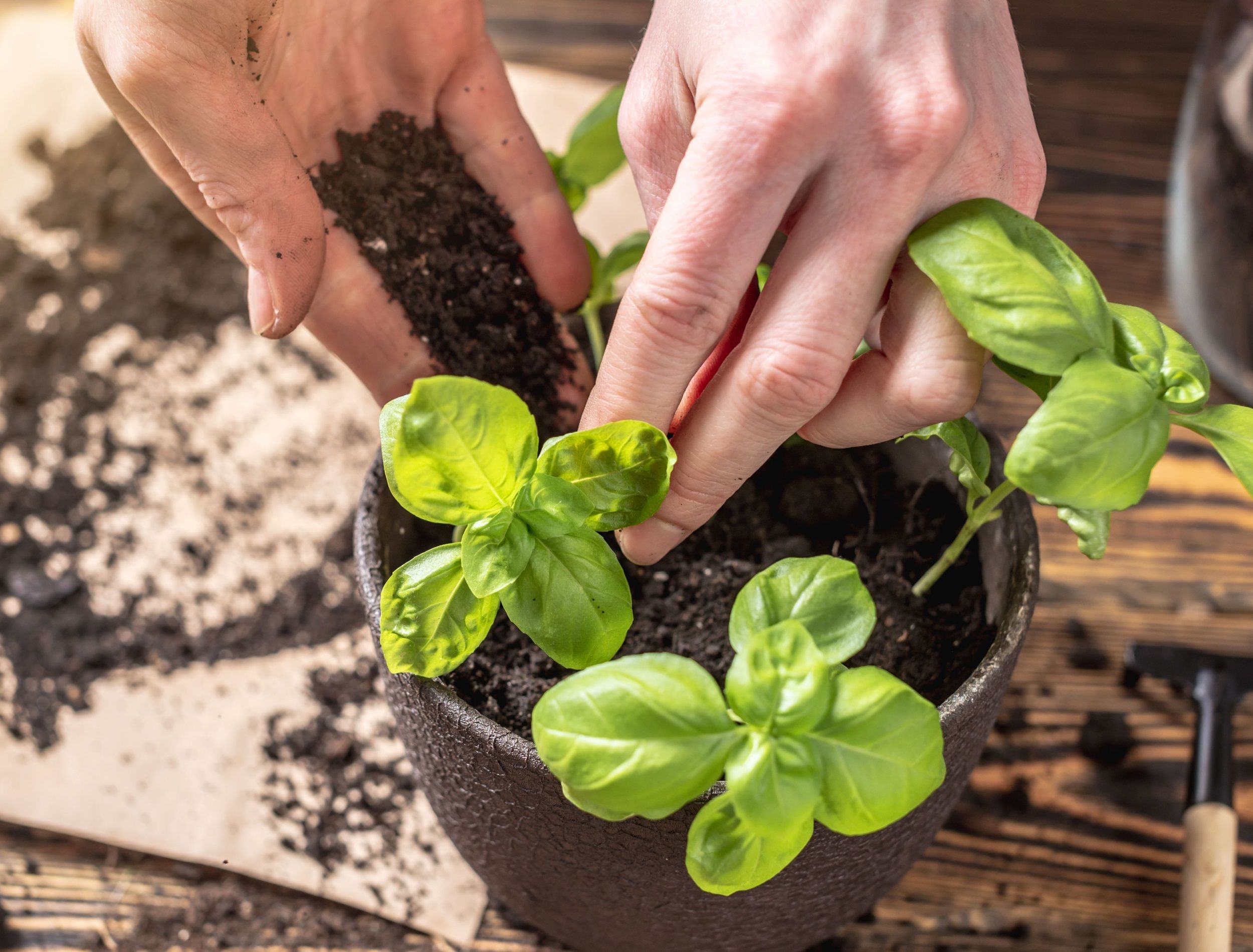
Basil is a fragrant, versatile herb that adds fresh, vibrant flavor to a variety of dishes, from pasta and salads to pizzas and soups. If you’re looking to grow your own basil, you’re in for a rewarding and easy gardening experience. Not only is basil simple to grow, but it also thrives in many conditions, making it an ideal herb for beginners and experienced gardeners alike.In this article, we’ll guide you through the process of planting basil, covering everything from choosing the right variety to tips for care and harvest. Whether you’re growing basil indoors or outdoors, learning how to plant basil is a fantastic way to enjoy fresh, homegrown herbs all year round.Why Grow Basil?Basil isn’t just a culinary delight; it’s also a useful herb with numerous benefits. Here’s why you should consider planting basil:1. Fresh and FlavorfulFresh basil adds a burst of flavor to your dishes that dried basil can’t match. Its bright, slightly peppery taste enhances everything from tomato-based dishes to pesto, sandwiches, and salads.2. Low MaintenanceBasil is relatively easy to grow, especially compared to other herbs. It doesn’t require a lot of space and can thrive in both containers and garden beds, making it perfect for urban gardeners or those with limited space.3. Health BenefitsBasil is rich in antioxidants and has anti-inflammatory properties. Some varieties, like holy basil (also known as Tulsi), are believed to have medicinal benefits such as stress relief and immune system support.4. Aesthetically PleasingBasil’s lush green leaves and compact growth habit make it a beautiful addition to any garden or windowsill, adding an aromatic, fresh touch to your space.Choosing the Right Basil VarietyBefore you dive into planting, it’s important to choose the right basil variety for your needs. There are several types of basil, each with its own flavor profile and growing preferences. Here are some of the most popular basil varieties:1. Sweet BasilSweet basil is the classic variety most commonly used in cooking. It has a strong, sweet flavor that complements Italian dishes, pasta sauces, and pizzas.2. Genovese BasilA variety of sweet basil, Genovese basil is often used in pesto. It has a strong flavor and is prized for its aromatic leaves and compact growth.3. Thai BasilThai basil has a spicier, more anise-like flavor, making it perfect for Asian dishes. It has smaller, narrower leaves with purple stems, adding a distinctive touch to your garden.4. Lemon BasilWith a bright lemony flavor, this variety is great for dishes that require a citrusy kick. It’s commonly used in Mediterranean and Southeast Asian cuisines.5. Holy Basil (Tulsi)Known for its medicinal properties, holy basil has a slightly peppery and spicy flavor. It’s often used in teas and herbal remedies.6. Purple BasilAs the name suggests, this basil has dark purple leaves and a slightly milder flavor than sweet basil. It’s perfect for adding color and flavor to salads and garnishes.7. Cinnamon BasilWith a sweet, spicy aroma reminiscent of cinnamon, this variety is perfect for fruit salads, desserts, or as a garnish in cocktails.Best Time to Plant BasilBasil is a warm-weather plant and thrives in temperatures between 70-90°F (21-32°C). For the best results, plant basil during spring or early summer, after the last frost has passed. If you’re in a cooler climate, you can start basil indoors and then transplant it outside once the weather warms up.Indoor Planting: You can start basil indoors about 6-8 weeks before the last frost. This allows you to transplant it outdoors when the weather is consistently warm.Outdoor Planting: Basil can be planted directly in the ground or in containers once nighttime temperatures are reliably above 50°F (10°C).How to Plant Basil: Step-by-Step GuideWhether you’re planting basil outdoors in a garden or in pots on your windowsill, here’s how to do it step-by-step.1. Select Your Planting LocationBasil needs full sun to grow, so choose a location that gets at least 6-8 hours of sunlight per day. Whether you’re planting it in a garden bed, raised bed, or container, make sure the spot is sunny and warm.Indoor Planting: If growing indoors, place your basil on a sunny windowsill or under grow lights.Outdoor Planting: Choose a location in your garden that receives full sunlight throughout the day. If planting in containers, make sure the pots are positioned where they get enough sun.2. Prepare the SoilBasil prefers well-draining soil with a slightly acidic to neutral pH (6.0-7.0). If you’re planting basil in the ground, mix in organic compost to enrich the soil. For container gardening, use a high-quality potting mix designed for herbs or vegetables.Drainage: Ensure that your container or garden bed has good drainage. Basil doesn’t like soggy roots, so drainage is essential for healthy growth.3. Planting the Seeds or SeedlingsSeeds: If you’re starting from seed, plant basil seeds about 1/4 inch deep in the soil. Space the seeds 2-3 inches apart. If planting multiple rows, space them about 12-18 inches apart.Seedlings: If you’re transplanting seedlings, dig a hole large enough to accommodate the root ball. Place the seedling in the hole and fill the surrounding space with soil. Space seedlings 12-18 inches apart to allow for proper growth.4. WateringAfter planting, water your basil thoroughly to settle the soil around the roots. Basil likes moist soil, but it doesn’t do well with waterlogged conditions. Water consistently to keep the soil lightly moist, but not soggy.Tip: Water at the base of the plant, avoiding wetting the leaves, as this can lead to fungal diseases. Water early in the day to allow the soil to dry before evening.5. MulchingApply a thin layer of organic mulch around the base of the plant to retain moisture, suppress weeds, and keep the roots cool. Be sure to leave a small gap around the stem to prevent rotting.Caring for Your Basil PlantOnce your basil is planted, it’s essential to give it the proper care to thrive. Here are some tips to help your basil grow strong and healthy.1. FertilizingBasil benefits from occasional feeding, especially if you’re growing it in containers. Use a balanced, water-soluble fertilizer (such as 10-10-10) every 4-6 weeks during the growing season. If growing basil outdoors, you can also enrich the soil with organic compost.2. Pruning and HarvestingTo encourage bushier growth and prevent your basil from becoming leggy, prune the plant regularly by pinching off the tips of the stems. This will stimulate the growth of more branches and leaves.Harvesting: Harvest basil leaves once the plant has several sets of leaves. Use clean, sharp scissors to cut the leaves, but avoid cutting more than one-third of the plant at once to ensure healthy regrowth.3. Pest ControlBasil is generally resistant to pests, but it can sometimes attract aphids, spider mites, or whiteflies. To prevent pest issues, regularly inspect the leaves for signs of damage and use an organic insecticidal soap or a mixture of water and dish soap to remove pests.Tip: Plant basil near other herbs like rosemary, mint, and thyme, which naturally repel pests and can help protect your basil.4. Winter Care (For Indoor Basil)If you live in a colder climate and want to keep your basil alive through the winter, move it indoors before the first frost. Basil thrives in warm temperatures, so ensure it receives enough sunlight or use grow lights during the darker months. Keep it near a sunny window and continue watering and pruning as needed.Common Problems When Growing BasilWhile basil is generally a low-maintenance plant, it can still face a few challenges. Here are some common problems and how to solve them:1. Basil Wilting or Yellowing LeavesCause: Overwatering or underwatering, poor soil drainage, or nutrient deficiencies.Solution: Ensure proper watering practices and check for soil drainage. If necessary, adjust your watering schedule and fertilize the plant.2. Leggy GrowthCause: Insufficient sunlight or lack of pruning.Solution: Move your basil to a sunnier spot and regularly prune the plant to encourage bushier growth.3. Pest InfestationCause: Aphids, spider mites, and other pests.Solution: Use natural pest control methods like neem oil, insecticidal soap, or a mixture of water and dish soap.Conclusion: Grow Smarter with How to Plant BasilPlanting and caring for basil is a rewarding experience that can add fresh flavor to your meals while enhancing your gardening skills. By following the steps outlined in this guide, you’ll be well on your way to growing vibrant, healthy basil plants.Whether you’re planting basil in your kitchen windowsill or outdoor garden, this versatile herb is sure to thrive with the right care and attention. So, grow smarter with how to plant basil and enjoy the satisfaction of fresh, homegrown herbs right at your fingertips! Happy planting!