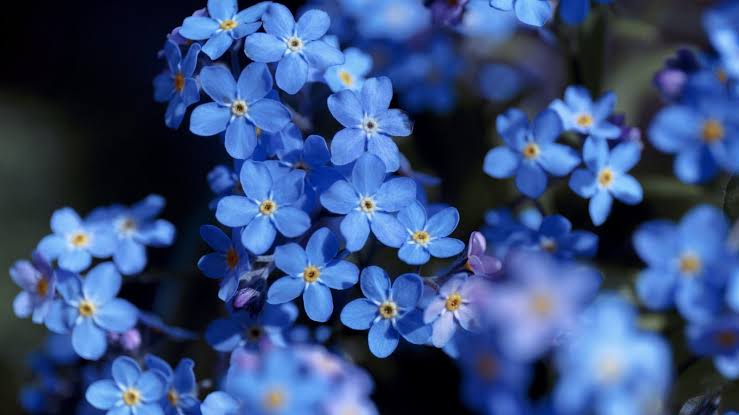
When it comes to thriving gardens, many gardeners focus solely on vegetables or fruit, neglecting the secret power of flowers. But here’s the trick: flowers are bait. They attract pollinators, beneficial insects, and even predators that help keep pests in check. Using flowers strategically is one of the smartest ways to maximize growth, reduce chemical use, and create a vibrant, healthy garden.Whether you’re gardening in the United States, United Kingdom, or Canada, incorporating this principle can transform your garden into a self-sustaining ecosystem.Why Flowers Are Bait in Gardening1. Attract PollinatorsFlowers with bright colors, nectar, and fragrance are irresistible to bees, butterflies, and hummingbirds. These pollinators are essential for:Fruit and vegetable productionSeed formationOverall plant healthExample: Marigolds, sunflowers, and lavender are excellent pollinator magnets.2. Draw Beneficial InsectsCertain flowers lure predatory insects like ladybugs, lacewings, and parasitic wasps that feed on pests such as aphids, mites, and caterpillars.Ladybugs: Target aphids and soft-bodied insectsHoverflies: Feed on aphids as larvaeParasitic wasps: Attack garden pests while leaving plants unharmedBy planting flowers strategically, you’re essentially setting traps—bait that helps your garden manage pests naturally.3. Protect Your Main CropsPlanting flowers near vegetables or fruit trees can act as a buffer zone. Pests are drawn to flowers first, reducing damage to your prized crops. This is especially effective in companion planting.Best Flowers to Use as BaitHere’s a list of top-performing flowers that work well across North America and Europe:1. MarigoldsRepel nematodes and attract pollinatorsBright colors act as visual baitEasy to grow in containers or garden beds2. NasturtiumsDraw aphids away from vegetablesAttract predatory insects like ladybugsEdible leaves and flowers for salads3. SunflowersTall and bold, attracting pollinators and birdsProvide natural shade and windbreaksSeeds can feed beneficial wildlife4. BorageAttracts bees and improves soil healthCompanion plant for tomatoes, strawberries, and squash5. LavenderFragrant flowers attract bees and butterfliesRepels certain pests like moths and fleasHow to Plant Flowers as BaitStep 1: Identify Pest-Prone AreasObserve your garden and note which crops attract pests most often. These areas are ideal for planting flower bait.Step 2: Choose Companion FlowersMatch flowers to crops based on pest control needs:Marigolds near tomatoesNasturtiums near cucumbers or cabbageBorage near strawberries or peppersStep 3: Plan Flower PlacementInterplanting: Mix flowers with vegetables for continuous attractionBorders: Plant along garden edges to lure insects away from core cropsContainers: Place potted flowers near crops for targeted attractionStep 4: Maintain Your FlowersDeadhead regularly to encourage continuous bloomsWater and fertilize according to plant needsMonitor for pests or disease on the bait flowers themselvesPractical Tips for Growing Smarter with FlowersMix flower species: A variety of flowers ensures attraction of multiple pollinators and predators.Seasonal planning: Choose flowers that bloom during your crop’s critical growth periods.Avoid heavy pesticides: These will kill beneficial insects you’re trying to attract.Incorporate herbs: Dill, fennel, and cilantro also act as insect magnets.Create habitats: Ladybugs and bees need shelter—mulch, small logs, or insect hotels work well.ConclusionThe concept that flowers are bait isn’t just a gardening trick—it’s a powerful strategy to grow smarter, reduce chemicals, and improve yields. By attracting pollinators and beneficial insects, flowers act as natural allies, protecting your crops and enhancing the health of your garden.Whether you have a small balcony garden in the UK, a backyard in Canada, or a vegetable patch in the US, strategically using flowers as bait ensures a thriving ecosystem and a more sustainable gardening experience.Embrace this approach, plant your flowers thoughtfully, and watch your garden flourish—without the stress of chemical interventions. After all, the smartest gardeners know that sometimes, the best way to protect your crops is to set a little bait.