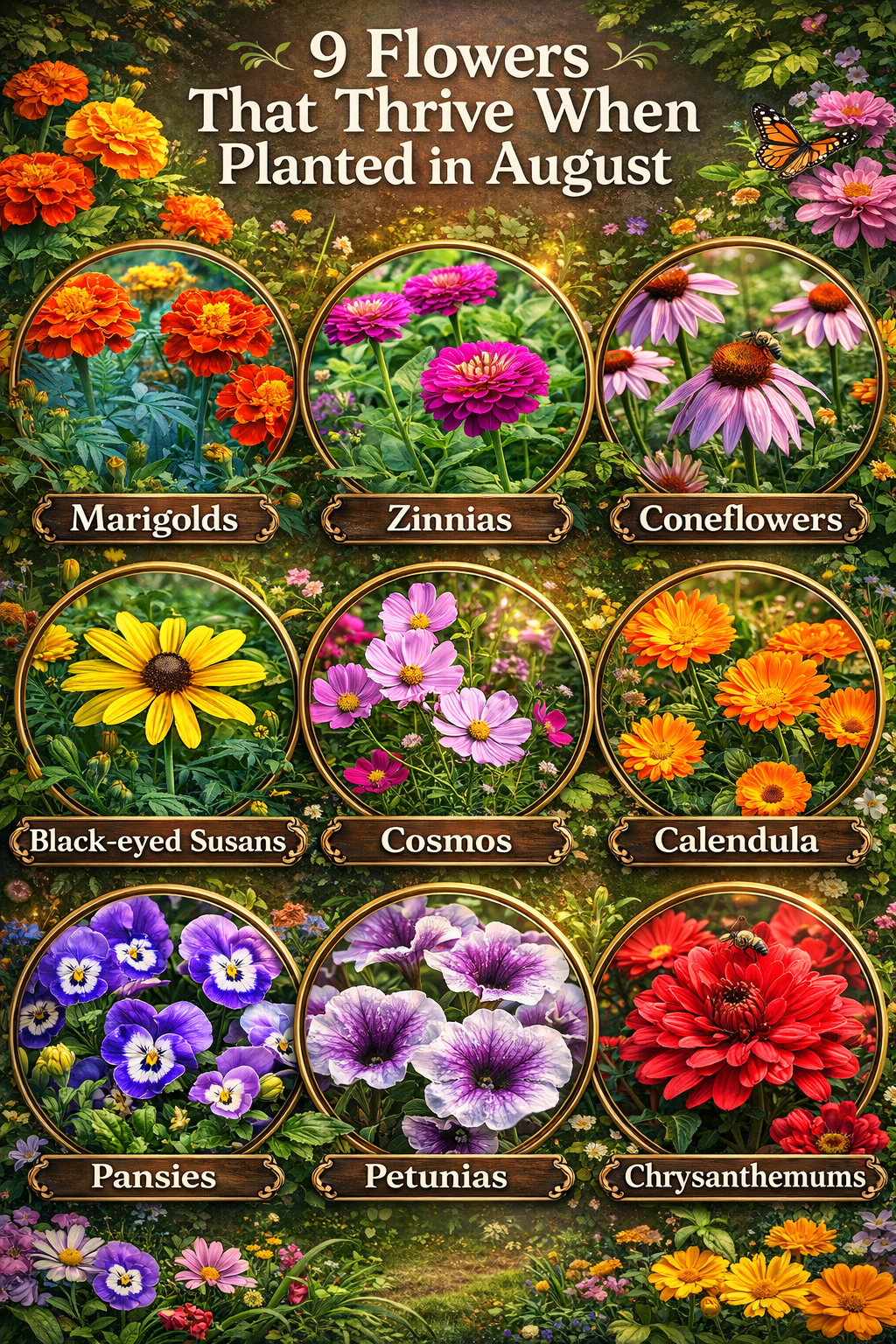
Flowers are more than just beautiful additions to a garden—they play a vital role in creating a thriving ecosystem, attracting pollinators, and enhancing the aesthetic appeal of your outdoor space. Learning to grow smarter with different types of flowers helps you maximize your garden’s potential, whether you have a small balcony, a backyard, or a large landscape.This guide is perfect for gardeners in the United States, United Kingdom, and Canada, providing tips on flower types, planting strategies, and practical care techniques to ensure a flourishing, vibrant garden.Understanding Different Types of FlowersFlowers are broadly categorized based on growth habits, bloom cycles, and care requirements. Knowing the differences can help you make smarter gardening decisions.Annual FlowersComplete their life cycle in one seasonExamples: Marigolds, Petunias, ZinniasBest for: Adding seasonal color and filling gaps in your gardenPerennial FlowersLive for multiple years, blooming each seasonExamples: Daylilies, Lavender, ConeflowersBest for: Long-term garden structure and low-maintenance plantingBiennial FlowersTake two years to complete their life cycleExamples: Foxglove, Sweet WilliamBest for: Layering garden color over multiple seasonsBulb FlowersGrow from underground bulbs and return each yearExamples: Tulips, Daffodils, LiliesBest for: Spring displays and naturalized garden areasClimbing FlowersGrow vertically on trellises, walls, or fencesExamples: Clematis, Morning Glory, Climbing RosesBest for: Creating vertical interest and privacy screensPractical Tips to Grow Smarter with FlowersChoose Plants According to Your ClimateCheck USDA hardiness zones or local planting guidesSelect flowers that thrive in your region to reduce maintenanceCombine Colors and TexturesMix complementary colors for visual appealPair tall, medium, and low-growing plants for layered effectsOptimize Sunlight and ShadeMost flowering plants need 6–8 hours of sunlightShade-loving flowers like impatiens or hostas do well in low-light areasSoil PreparationTest soil pH and fertility before plantingAdd compost or organic matter for healthier bloomsWatering and MulchingWater deeply but infrequently to encourage strong rootsMulch helps retain moisture, reduce weeds, and improve soil qualityFlowering Combinations to TryPollinator-Friendly Garden: Lavender + Coneflowers + SunflowersColorful Summer Garden: Zinnias + Marigolds + PetuniasShade Garden: Hostas + Impatiens + AstilbeVertical Garden: Climbing Roses + Clematis + Morning GlorySmart combinations not only enhance beauty but also promote healthy growth and attract beneficial insects.Seasonal Flowering GuideSpringPlant tulips, daffodils, hyacinths, and pansiesFocus on bulbs and early bloomersSummerAdd sun-loving flowers like marigolds, zinnias, and petuniasDeadhead spent blooms to encourage new flowersAutumnPlant chrysanthemums, asters, and ornamental kalePrepare perennials for winterWinterUse evergreen shrubs, hellebores, and winter-blooming pansiesProtect delicate plants with mulch or coversCommon Mistakes to AvoidPlanting flowers unsuitable for your climateOvercrowding plants, which limits airflow and growthIgnoring soil health and pH requirementsNeglecting seasonal maintenanceAvoiding these mistakes ensures that your garden thrives year-round.Benefits of Growing a Diverse Range of FlowersAesthetic Variety: Different flower types provide texture, height, and colorExtended Blooming Seasons: Annuals, perennials, and bulbs keep your garden colorfulEcosystem Support: Attracts pollinators and beneficial insectsReduced Pest Problems: Diversity helps balance the garden naturallyConclusionTo truly grow smarter with different types of flowers, it’s important to plan your garden according to your space, climate, and aesthetic goals. By combining annuals, perennials, bulbs, and climbers, you can create a thriving, visually stunning garden that blooms from spring to winter.With thoughtful planning, soil preparation, and seasonal care, your flower garden can become a sustainable, beautiful, and low-maintenance oasis. 🌷🌻