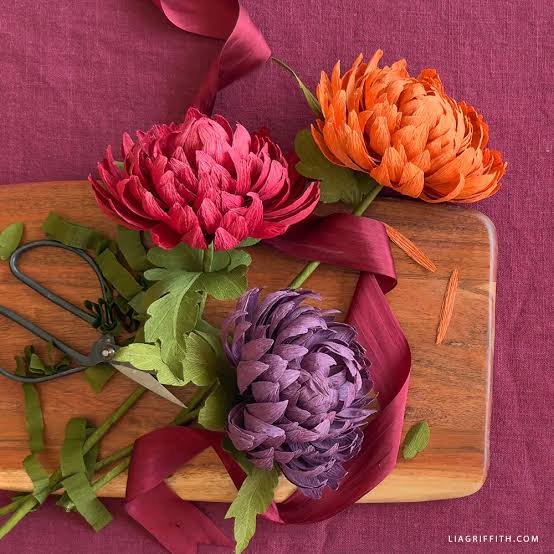
If you love flowers but struggle with seasonal blooms or limited garden space, crepe paper flowers are a game-changer. Not only do they bring color and beauty to your home all year round, but they also allow you to experiment with floral designs without worrying about water, sunlight, or pests. Learning to grow smarter with crepe paper flowers can elevate your home décor, craft projects, and even small-scale floral businesses.🌿 Why Choose Crepe Paper Flowers?Crepe paper flowers offer several advantages over real blooms:Everlasting Beauty: Unlike fresh flowers, they never wilt.Customizable: You can create any color, size, or type of flower.All-Season Gardening: Enjoy “blooms” in winter, fall, or in spaces with no sunlight.Eco-Friendly Creativity: Many crepe paper varieties are biodegradable or recyclable.By integrating crepe paper flowers into your home or workspace, you can grow smarter with minimal effort while still enjoying vibrant, lifelike blooms.🌸 Materials You’ll Need to Make Crepe Paper FlowersBefore you start, gather the essential materials:Crepe paper sheets (various colors)Floral wireFloral tapeScissorsGlue gun or craft gluePencil or round tool for shaping petalsOptional: beads or buttons for flower centersChoosing high-quality crepe paper is key to achieving realistic textures and folds.🔹 Step-by-Step Guide to Growing Smarter with Crepe Paper Flowers1. Select Your Flower TypeDecide which flower you want to replicate: roses, peonies, daisies, or sunflowers. Each flower has a slightly different petal shape, layering, and stem length.2. Cut Petals and LeavesUse a template or freehand the petals.Cut leaves in green crepe paper.Stretch and curve the paper slightly to mimic real petals.This shaping step is what helps your creation look lifelike.3. Assemble the FlowerWrap floral wire with floral tape to create the stem.Attach petals one by one using glue.Layer petals naturally, overlapping slightly, to simulate blooming.Add leaves near the base.4. Add Finishing TouchesDust lightly with pastel chalk for color depth.Curl edges with a pencil or skewer for realism.Add small beads or paper for the flower center.5. Arrange and DisplayPlace in a vase for a table centerpiece.Create bouquets or garlands for décor.Mix with dried or real flowers for texture contrast.🌿 Practical Tips to Grow Smarter with Crepe Paper FlowersUse thin floral wire for smaller flowers and thicker wire for larger stems.Stretch petals gently; over-stretching can tear the paper.Experiment with colors—mix shades to create depth.Keep flowers out of direct sunlight to avoid fading.Store unused crepe paper in a cool, dry place to prevent damage.Combine with greenery like artificial ferns or leaves for realistic bouquets.🌸 Creative Uses for Crepe Paper FlowersHome Décor: Brighten living rooms, kitchens, and bedrooms.Party Decorations: Use for weddings, birthdays, or baby showers.Craft Projects: Make greeting cards, wreaths, and gift toppers.Gifts: Handmade crepe paper flowers make unique presents.Educational Projects: Teach kids about flowers, colors, and shapes.🌿 Why Crepe Paper Flowers Are a Smarter ChoiceTraditional gardening requires water, sunlight, soil, and attention. Crepe paper flowers allow you to grow smarter by bypassing these challenges:No pests, no soil issues, no seasonal limitations.Immediate visual impact—perfect for those short on time or space.Highly sustainable when using recycled or biodegradable crepe paper.In essence, you get the beauty of a blooming garden without the maintenance.🌸 Conclusion: Grow Smarter with Crepe Paper Flowers Today!Crepe paper flowers are more than just a craft—they’re a practical way to enjoy blooms year-round, experiment creatively, and bring color into your life with minimal effort. By learning to grow smarter with crepe paper flowers, you can combine artistry and convenience, transforming any home or workspace into a vibrant, floral paradise.Whether for décor, gifts, or personal satisfaction, these flowers are an easy, versatile, and sustainable solution for anyone looking to embrace creativity without the constraints of traditional gardening.