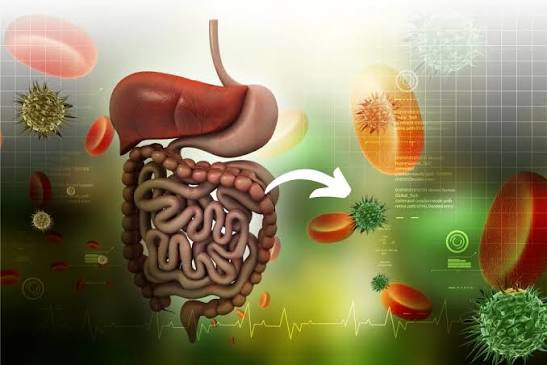
Have you ever wondered why you feel light and energetic after some meals but sluggish after others? The answer often lies in food digestion times — how long different foods take to move through your stomach and digestive system.Understanding digestion timing can help improve energy levels, reduce bloating, support weight management, and enhance overall gut health. Whether you’re in the United States, United Kingdom, or Canada, knowing how your body processes food can transform how you plan meals.Let’s break down what your stomach won’t tell you.🧠 How Digestion Actually WorksDigestion begins in your mouth and continues through:Stomach – breaks food down with acid and enzymesSmall intestine – absorbs nutrientsLarge intestine – absorbs water and forms wasteOn average:Food stays in the stomach for 2–6 hoursTotal digestion takes 24–72 hoursHowever, digestion time varies depending on the type of food.🥗 Fast-Digesting Foods (30 Minutes – 2 Hours)These foods move quickly through the stomach and are generally easier on digestion.🍉 FruitsWatermelonOrangesBerriesGrapesDigestion time: 30–60 minutesFruits contain high water content and natural sugars, allowing them to digest quickly. That’s why fruit makes a great snack between meals.🥬 Non-Starchy VegetablesLettuceCucumbersSpinachZucchiniDigestion time: 30–60 minutesThese foods are light, fiber-rich, and easy for the stomach to process.🥣 Smoothies & JuicesBlended foods digest faster because the breakdown process has already begun.Tip: Avoid combining fruit smoothies with heavy meals to prevent bloating.🍞 Moderate-Digesting Foods (2–4 Hours)These foods take longer because they contain more complex carbohydrates or moderate protein.🌾 Whole GrainsBrown riceOatsWhole wheat breadQuinoaDigestion time: 2–3 hoursFiber slows digestion but promotes stable blood sugar and longer-lasting energy.🥔 Starchy VegetablesPotatoesSweet potatoesCornDigestion time: 2–3 hoursThese provide sustained energy but may feel heavier than leafy greens.🥚 EggsDigestion time: 2–3 hoursEggs are rich in protein and healthy fats, which slow gastric emptying.🍗 Slow-Digesting Foods (4–6+ Hours)These foods require more digestive effort due to high fat or protein content.🥩 Red MeatBeefLambPorkDigestion time: 4–6 hoursHigh protein and fat content slow stomach emptying.🧀 High-Fat DairyCheeseCreamButterDigestion time: 4–6 hoursFat is the slowest macronutrient to digest.🍔 Fried & Processed FoodsFast foodDeep-fried itemsHeavy saucesDigestion time: 6+ hoursThese can lead to bloating, sluggishness, and discomfort.🥜 Nuts & SeedsThough healthy, they digest slowly due to fat content.Digestion time: 2–4 hoursThey provide sustained energy but should be eaten in moderation.🍫 Why Food Combinations MatterYour digestion speed changes when you mix foods.For example:Fruit alone digests quickly.Fruit after a heavy steak dinner slows down and may ferment in the stomach.Large, mixed meals take longer because the stomach must process fats, proteins, and carbohydrates together.⏳ What Affects Digestion Time?Several factors influence how long food stays in your stomach:1. Portion SizeLarger meals take longer to digest.2. HydrationProper hydration supports smoother digestion.3. MetabolismYounger individuals typically digest food faster.4. Physical ActivityLight movement after meals can support digestion.5. Stress LevelsHigh stress can slow digestion significantly.🌿 Signs Your Food Is Digesting SlowlyBloatingAcid refluxHeavy feeling after mealsFatigueConstipationIf symptoms are persistent or severe, consult a healthcare professional.🏃 How to Improve Digestion Naturally✔️ Eat Smaller MealsLarge meals overload the digestive system.✔️ Chew ThoroughlyDigestion begins in the mouth. Proper chewing reduces stomach workload.✔️ Walk After EatingA gentle 10–15 minute walk helps stimulate digestion.✔️ Limit Heavy Late-Night MealsSlow-digesting foods before bed may disrupt sleep.✔️ Add Fiber GraduallyFiber helps regulate digestion but should be increased slowly.🕒 Digestion & Energy LevelsFast-digesting foods:Provide quick energyMay cause blood sugar spikesSlow-digesting foods:Provide sustained energyHelp prevent crashesBalancing the two can improve daily performance and focus.🌍 Cultural Eating PatternsIn the United States and Canada, large mixed meals are common, often leading to slower digestion. In the UK, lighter meals or structured meal times may support steadier digestion.Regardless of location, mindful eating improves outcomes everywhere.🚨 When to See a DoctorSeek medical advice if you experience:Severe abdominal painPersistent nauseaChronic constipation or diarrheaUnexplained weight lossBlood in stoolDigestive disorders such as IBS, GERD, or food intolerances may require medical management.✨ Final Thoughts: Listen to What Your Body Is SayingYour stomach may not speak, but it definitely communicates through symptoms and energy levels. Understanding food digestion times helps you make smarter choices about what and when to eat.By balancing fast- and slow-digesting foods, managing portion sizes, and supporting gut health, you can reduce bloating, boost energy, and feel lighter throughout the day.