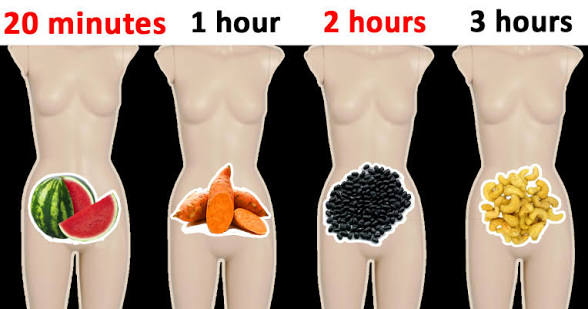
Ever wondered why you feel sleepy after a big meal or why some foods seem to sit in your stomach forever? Understanding food digestion times can help you plan meals, improve digestion, and even manage energy levels throughout the day. Here’s a detailed guide to what your stomach doesn’t tell you.How Digestion WorksWhen you eat, your body starts a complex process to break down food and absorb nutrients:Mouth: Chewing and saliva begin breaking down carbohydrates.Stomach: Food mixes with gastric juices, mainly digesting proteins.Small Intestine: Nutrients like vitamins, minerals, and amino acids are absorbed.Large Intestine: Water and fiber are processed, and waste is prepared for elimination.Digestion time depends on food type, composition, and individual factors like age, metabolism, and gut health.Average Digestion Times for Common FoodsHere’s a breakdown of how long different foods typically take to digest:Food Type Average Digestion Time NotesWater & Clear Liquids 20–30 minutes Quickly absorbed, leaves stomach almost immediatelyFruits (melon, berries) 30–60 minutes High water content, easy to digestVegetables (leafy, cooked) 30–60 minutes Fiber slows digestion slightlyCarbohydrates (rice, pasta, bread) 2–3 hours Simple carbs digest faster than whole grainsLean Protein (chicken, fish, tofu) 2–3 hours Broken down into amino acids for absorptionRed Meat 4–6 hours Higher fat content slows digestionCheese & Dairy 2–4 hours Fat and protein content affect speedNuts & Seeds 2–4 hours High in fat and fiber, slower digestionFried or Fatty Foods 4–6 hours Fat delays stomach emptyingChocolate & Sweets 1–2 hours Sugar digests quickly, fat slows it downFactors That Influence Digestion TimeMeal Composition: Protein and fat slow digestion, while simple carbs speed it up.Meal Size: Large meals stay in the stomach longer.Hydration: Water helps move food through the digestive tract.Activity Level: Light activity aids digestion; lying down slows it.Individual Health: Conditions like IBS, acid reflux, or low stomach acid affect digestion time.Tips to Support Healthy DigestionEat smaller, balanced meals to reduce stomach strain.Chew food thoroughly to start digestion in the mouth.Stay hydrated, especially with meals high in fiber.Include fiber-rich foods like vegetables, fruits, and whole grains.Move after eating, such as a short walk, to aid digestion.Avoid excessive fat or fried foods if you have slow digestion or acid reflux.Quick Digestion Myths Debunked❌ “Spicy foods slow digestion” – Not entirely; they may cause temporary discomfort but don’t significantly delay digestion.❌ “Eating late at night leads to fat gain” – Timing is less critical than total caloric intake and digestion efficiency.❌ “Fruit should be eaten alone” – Most people digest fruit well after meals, though very large meals may slow it slightly.Why Understanding Digestion MattersEnergy Management: Knowing how long foods take to digest can prevent post-meal sluggishness.Weight Management: Helps plan meals that keep you full longer without overeating.Gut Health: Reduces bloating, gas, and discomfort by choosing foods wisely.Meal Timing: Optimizes nutrient absorption around workouts or daily activities.Quick Reference: Eat Smart, Digest BetterMorning: Fruit or oatmeal → quick energyLunch: Lean protein + complex carbs + veggies → balanced, lasting energySnack: Nuts or yogurt → slow-digesting, keeps hunger awayDinner: Lighter meals with vegetables and lean protein → easier digestion before bedConclusionYour stomach may not send a memo, but knowing food digestion times can transform your meals and energy levels. By balancing carbs, protein, and fats, staying hydrated, and listening to your body, you can enjoy food without discomfort, maintain consistent energy, and support long-term gut health.✨💡 Tip: If you’re experimenting with meal timing, keep a small food diary to notice which foods sit heavy and which leave you feeling light and energized.