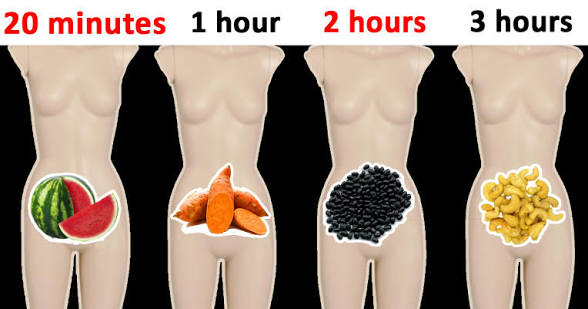
Have you ever wondered why some meals leave you energized while others make you feel sluggish for hours? The answer often lies in food digestion times — how long different foods take to move through your stomach and digestive system.Understanding digestion speed can help you:Improve energy levelsReduce bloatingPlan meals betterOptimize workoutsSupport gut healthWhether you’re in the United States, United Kingdom, or Canada, learning how digestion works can transform how you eat and feel every day.🧠 How Digestion Actually WorksBefore diving into food digestion times, it helps to understand the basics.Digestion begins in your mouth and continues through:Stomach – breaks down food with acid and enzymesSmall intestine – absorbs nutrientsLarge intestine – absorbs water and forms wasteOn average:Food stays in the stomach for 2–6 hoursTotal digestion time ranges from 24–72 hoursHowever, different foods move at very different speeds.⏱️ Average Food Digestion Times by Category🍉 Fruits (Fastest Digesting)Digestion Time: 20–60 minutesFruits are mostly water and simple sugars, which makes them quick to digest.Examples:Watermelon: ~20 minutesBerries: ~30 minutesApples & pears: ~40 minutesBananas: ~45–60 minutes💡 Tip: Eating fruit on an empty stomach may reduce bloating since it digests quickly.🥕 VegetablesDigestion Time: 30–60 minutesLeafy greens: ~30–40 minutesBroccoli & cauliflower: ~40–50 minutesRoot vegetables (carrots, potatoes): ~50–60 minutesCooked vegetables digest faster than raw ones because heat breaks down fiber.🍚 Grains & StarchesDigestion Time: 1.5–3 hoursWhite rice: ~1.5 hoursOatmeal: ~2 hoursWhole grains: 2–3 hoursPasta & bread: 2–3 hoursRefined carbs digest faster than whole grains, but whole grains provide longer-lasting energy.🥚 ProteinsDigestion Time: 2–4 hoursProtein takes longer because it requires more stomach acid and enzyme activity.Eggs: ~2 hoursFish: 2–3 hoursChicken & turkey: 3–4 hoursBeef & lamb: 4+ hoursFatty meats digest slower than lean proteins.🧀 Dairy ProductsDigestion Time: 2–4 hoursYogurt: ~2 hoursMilk: ~2 hoursCheese: 3–4 hoursPeople who are lactose intolerant may experience slower digestion and discomfort.🍔 High-Fat & Fried Foods (Slowest Digesting)Digestion Time: 4–6+ hoursFried foodsFast food mealsHeavy cream saucesProcessed dessertsFat slows stomach emptying, which can leave you feeling full longer — sometimes uncomfortably so.⚖️ What Affects Food Digestion Times?Food digestion isn’t one-size-fits-all. Several factors influence how quickly your body processes meals.1. Meal SizeLarger meals take longer to digest.2. Food CombinationsMixing fats, proteins, and carbs slows digestion compared to eating simple foods alone.3. HydrationWater helps move food through the digestive tract efficiently.4. Stress LevelsStress can either slow digestion or speed it up.5. Age & MetabolismMetabolism tends to slow with age.🏃 How Digestion Impacts Energy and PerformanceIf you’ve ever felt sleepy after a heavy lunch, that’s digestion at work. Your body diverts blood flow to the digestive system, which may reduce alertness temporarily.Before ExerciseEat light meals 1–2 hours before workoutsChoose easily digestible carbs like fruit or toastBefore BedAvoid heavy, fatty meals 3–4 hours before sleepingChoose lighter dinners for better sleep quality🌿 Signs Your Digestion Might Be SlowPersistent bloatingAcid refluxFeeling full for hoursIrregular bowel movementsIf these symptoms are ongoing, consult a healthcare professional.🍽️ Smart Meal Planning Based on Digestion TimesFor Busy MorningsChoose fruit, yogurt, or oatmeal for quicker digestion.For Long WorkdaysInclude protein and healthy fats to stay fuller longer.For EveningsOpt for lighter proteins and cooked vegetables to avoid discomfort.🧬 The Role of Fiber in DigestionFiber doesn’t fully digest — and that’s a good thing.Soluble fiber slows digestion and stabilizes blood sugar.Insoluble fiber speeds up intestinal movement.A balanced diet includes both types for optimal gut health.🚰 Hydration and DigestionDrinking enough water:Helps prevent constipationSupports enzyme functionAssists nutrient absorptionAim for consistent hydration throughout the day rather than large amounts at once.⚠️ Common Myths About Food Digestion TimesMyth 1: Fruit Must Always Be Eaten AloneWhile fruit digests quickly, eating it with other foods is generally fine for most people.Myth 2: Drinking Water Dilutes Stomach AcidModerate water intake does not significantly impair digestion.Myth 3: Everyone Digests at the Same SpeedDigestion varies widely between individuals.🥗 How to Support Healthy DigestionEat slowly and chew thoroughlyManage stressStay physically activeMaintain consistent meal timesInclude fermented foods like yogurt or kefir🧾 Quick Reference TableFood Type Approximate Digestion TimeFruit 20–60 minutesVegetables 30–60 minutesGrains 1.5–3 hoursProtein 2–4 hoursFatty foods 4–6+ hours🏁 ConclusionUnderstanding food digestion times can help you make smarter meal choices, improve comfort, and maintain steady energy levels throughout the day. While digestion varies from person to person, recognizing how different foods behave in your body empowers you to eat with intention.Your stomach may not speak directly — but it definitely sends signals. By paying attention to digestion speed, food combinations, and portion sizes, you can create a balanced eating routine that supports both gut health and overall well-being.Small changes in how and when you eat can make a noticeable difference. ⏱️