
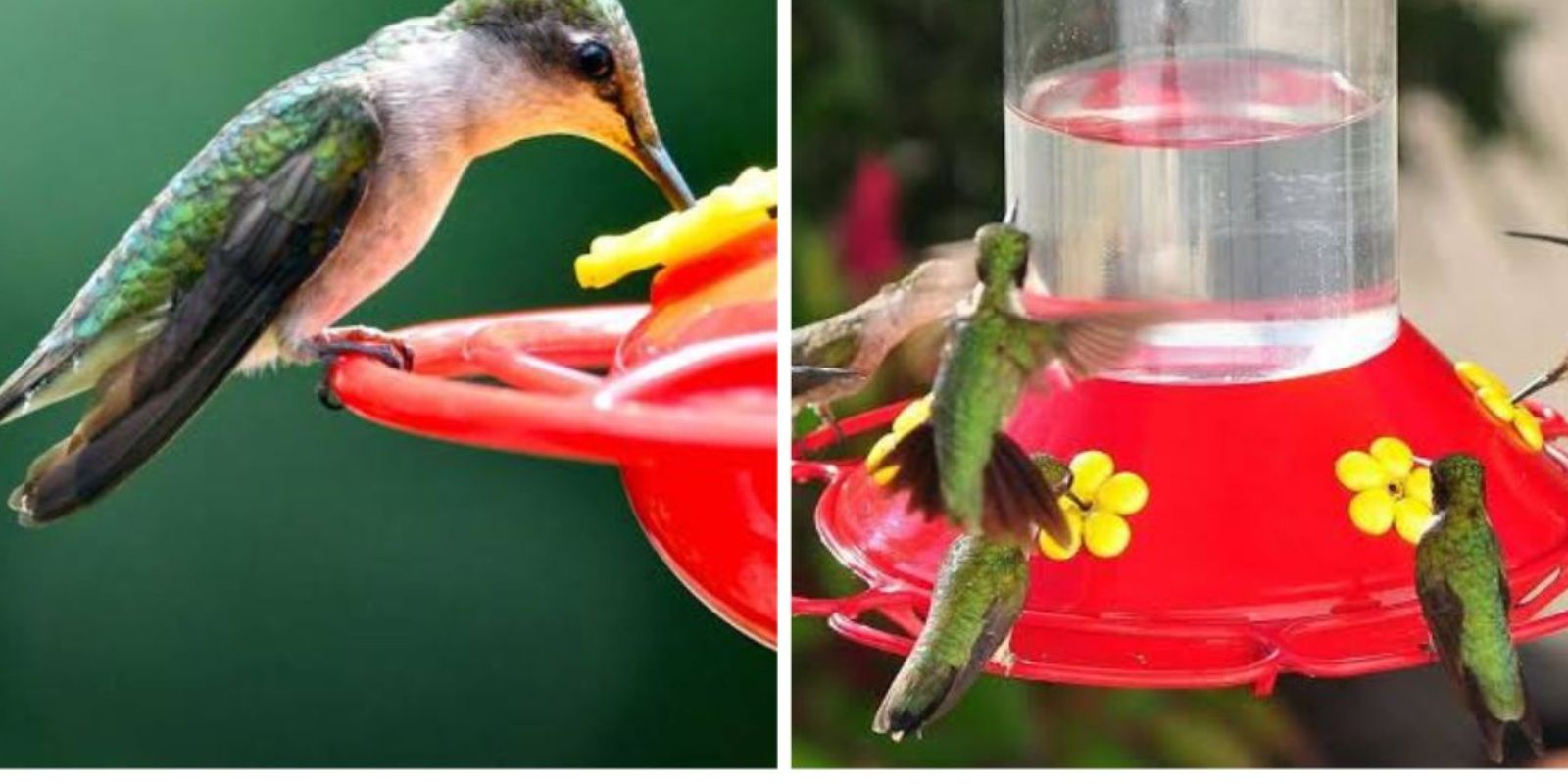
As the vibrant days of summer transition into the crisp air of fall, many gardeners and bird enthusiasts wonder how to keep their feathered visitors happy and fed. Hummingbirds, known for their dazzling colors and rapid wingbeats, are particularly captivating creatures that often grace our gardens. Fall is a critical time for them as they prepare for long migrations, and ensuring your feeders remain a reliable food source can make a big difference.
In this guide, we’ll explore five essential tips to keep hummingbirds visiting your feeders this fall and discuss the right time to take those feeders down. Let’s ensure your garden remains a hummingbird haven for as long as possible!
Why Feed Hummingbirds in the Fall?
During autumn, hummingbirds are either preparing for or actively migrating to warmer regions. These tiny birds need to consume significant amounts of energy to sustain their long journeys. A well-maintained feeder provides them with quick, reliable nourishment when natural food sources, like flowers and insects, begin to dwindle. By offering clean and nutrient-rich nectar, you’re contributing to their survival during this critical time.
Tip 1: Keep Your Feeders Spotless
Cleanliness is essential for hummingbird feeders, especially in the fall when sugar water can spoil quickly due to fluctuating temperatures. Mold and bacteria can harm hummingbirds, so regular maintenance is non-negotiable.
How to Clean Feeders Properly:
- Empty and rinse the feeder every 3-5 days (more frequently in warmer weather).
- Use hot water and a mild soap or a vinegar solution (1 part vinegar to 4 parts water).
- Scrub crevices with a bottle brush to remove any residue.
- Rinse thoroughly to ensure no soap or vinegar remains.
Keeping your feeders clean not only protects the birds but also encourages them to return.
Tip 2: Use the Perfect Nectar Recipe
Hummingbirds rely on nectar for their energy needs, and offering a homemade solution mimics their natural diet. Avoid store-bought mixes with dyes or additives, as these can be harmful.
The Best Nectar Recipe:
- 1 part white granulated sugar
- 4 parts water
- Mix until the sugar is fully dissolved (no need to boil unless storing for later use).
Always use plain white sugar—other sweeteners, like honey or brown sugar, can cause digestive issues or promote harmful fungal growth.
Tip 3: Position Your Feeders Wisely
Where you place your feeders can significantly impact their visibility and attractiveness to hummingbirds.
Best Practices for Feeder Placement:
- Hang feeders in areas with bright, indirect sunlight to prevent the nectar from spoiling too quickly.
- Choose locations sheltered from wind to make feeding easier for the birds.
- Place feeders near fall-blooming plants like salvia, goldenrod, or asters to create a natural attractant.
If you have multiple feeders, space them out to reduce territorial disputes among hummingbirds.
Tip 4: Add a Touch of Nature
While feeders are an excellent food source, incorporating natural elements into your garden enhances its appeal for hummingbirds. Fall-blooming flowers not only provide nectar but also attract insects, another essential food source for these birds.
Top Fall-Blooming Plants for Hummingbirds:
- Salvia
- Trumpet vine
- Zinnias
- Bee balm
- Mexican sunflower
Planting these in your garden alongside your feeders creates a haven for hummingbirds and encourages them to linger longer.
Tip 5: Know When to Take Down Your Feeders
One of the most common questions among bird lovers is when to remove feeders in the fall. Many worry that leaving feeders up too long might delay hummingbirds’ migration, but this is a myth. Hummingbirds migrate based on their internal biological clock and environmental cues, not food availability.
General Rule of Thumb:
- Wait at least two weeks after you see the last hummingbird at your feeder.
- For late migrants, especially in southern regions, feeders can remain up into November or even December.
Leaving your feeders out a little longer ensures that stragglers or late travelers have access to a reliable food source.
Bonus Tips for Fall Feeder Success
To further enhance your efforts and attract more hummingbirds during the fall season, consider these additional strategies:
- Offer Multiple Feeders:
Reduce competition by placing several feeders around your yard. Territorial hummingbirds often guard a single feeder aggressively, so providing additional feeding stations ensures access for more birds. - Protect Feeders from Freezing:
In colder climates, nectar can freeze overnight. Use heated feeders or bring feeders indoors during freezing nights and return them outside in the morning. - Create a Safe Space:
Ensure your garden is free from potential predators, such as outdoor cats. Keep feeders away from areas where birds might feel threatened. - Be Patient:
Migration patterns vary, and it may take time for hummingbirds to discover your feeder. Once they do, they’ll likely return year after year.
Why Your Efforts Matter
Providing food for hummingbirds during their fall migration is a rewarding way to connect with nature and support these fascinating creatures. Beyond their beauty, hummingbirds play a crucial role as pollinators, helping to sustain ecosystems. Your backyard can become a sanctuary for these birds, offering them a safe and nourishing stopover on their journey.
Engage with Fellow Bird Lovers
Are you ready to attract more hummingbirds this fall? Share your own tips, tricks, or photos in the comments below! Let’s create a community dedicated to supporting these incredible birds.