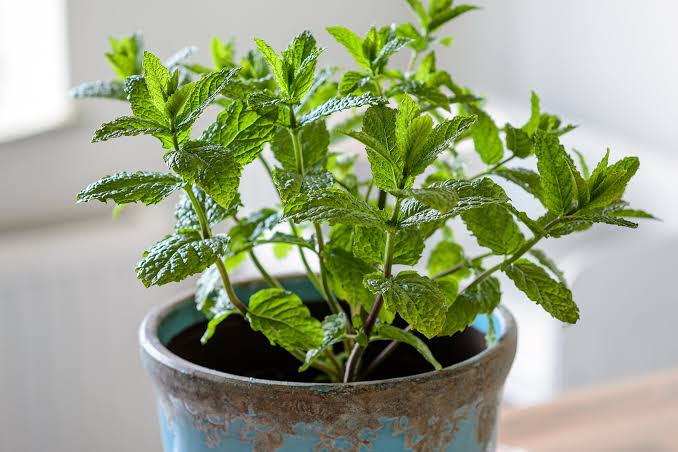
Mint is one of the easiest and most rewarding herbs to grow at home. It’s fast-growing, fragrant, and perfect for teas, cooking, and natural remedies. Because mint spreads aggressively, learning how to plant mint in a pot is the smartest way to enjoy this herb without it taking over your garden.Whether you live in the United States, United Kingdom, or Canada, this guide will walk you through every step—from planting to long-term care.Why Grow Mint in a Pot? (H2)Planting mint in containers offers many advantages:Prevents invasive spreadingIdeal for small spaces, balconies, and windowsillsEasier to control watering and soil qualityPortable—move indoors during cold weatherMint thrives in pots, making it perfect for beginners.Best Types of Mint for Pots (H2)Almost all mint varieties grow well in containers. Popular choices include:Spearmint – Mild and great for teasPeppermint – Strong flavor, excellent for dessertsChocolate mint – Sweet aroma and unique tasteApple mint – Soft, fruity flavorLemon mint – Refreshing citrus notesChoose one variety per pot to avoid flavor mixing.Best Time to Plant Mint in a Pot (H2)Mint grows best during moderate temperatures.Ideal Planting TimesSpring: Best time to start mint outdoorsSummer: Works well with partial shadeFall: Plant indoors or in mild climatesMint prefers temperatures between 55–75°F (13–24°C).Choosing the Right Pot (H2)Selecting the proper container is essential when learning how to plant mint in a pot.Pot RequirementsAt least 8–12 inches wide and deepDrainage holes at the bottomClay or plastic pots both work well💡 Bigger pots encourage bushier growth.Best Soil for Mint in Pots (H2)Mint thrives in rich, well-draining soil.Ideal Soil MixHigh-quality potting mixAdd compost for nutrientsAvoid heavy garden soilSoil pH should be 6.0–7.0 (slightly acidic to neutral).How to Plant Mint in a Pot (H2)Option 1: Planting from Cuttings (Best Method)Take a 4–6 inch healthy cuttingRemove lower leavesPlace in water until roots form (7–10 days)Plant in moist soilOption 2: Planting from Nursery PlantsFill pot with soilPlace plant at the same depthPress soil gently around rootsWater thoroughlyOption 3: Growing Mint from SeedsSlower and less reliableBest for patient gardenersLight Requirements for Potted Mint (H2)Mint adapts well to different light conditions.Full sun: In cooler climatesPartial shade: In warm areasIndoors: Bright indirect light near a window💡 Too much heat can stress the plant.Watering Mint in Pots (H2)Proper watering is key to healthy mint.Watering TipsKeep soil consistently moistWater when top inch feels dryAvoid waterlogged soilContainer mint needs more frequent watering than garden-grown mint.Fertilizing Mint in Containers (H2)Mint is not a heavy feeder.Feed every 4–6 weeksUse balanced liquid fertilizerCompost tea works well🚫 Over-fertilizing reduces flavor intensity.Pruning & Harvesting Mint (H2)Regular pruning keeps mint productive.How to HarvestCut stems just above leaf nodesHarvest often to encourage growthNever remove more than ⅓ at onceFrequent trimming prevents flowering and keeps leaves tender.Common Problems & Easy Solutions (H2)Yellow LeavesOverwatering or poor drainageLeggy GrowthNot enough sunlightNeeds pruningPests (Aphids, Spider Mites)Rinse leaves with waterUse neem oil if neededWinter Care for Potted Mint (H2)Mint is hardy but benefits from protection.Bring pots indoors during frostReduce watering in winterPlace in bright, cool locationMint may slow growth but will rebound in spring.Practical Tips for Success (H2)🌱 Grow mint alone in each pot✂ Harvest regularly for bushy growth🌿 Rotate pot occasionally for even sunlight🪴 Repot yearly to refresh soil❄ Protect from extreme temperaturesConclusionNow you know everything you need to know about how to plant mint in a pot successfully. With the right container, soil, watering routine, and regular pruning, mint will reward you with lush growth and endless fresh leaves.Whether you’re growing mint for tea, cooking, or fragrance, potted mint is one of the easiest and most satisfying herbs to cultivate at home.