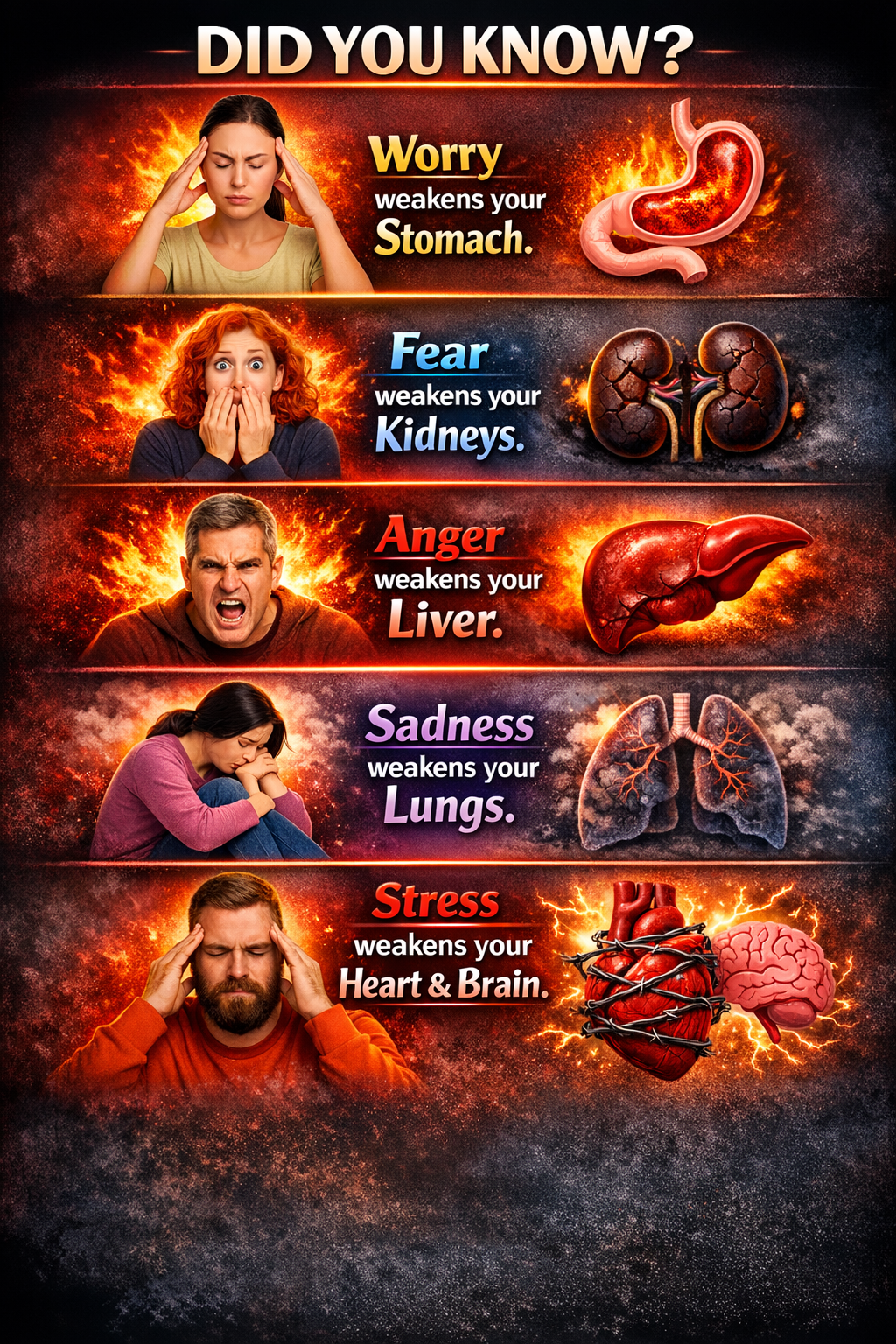
Have you ever noticed how stress can trigger headaches, or how happiness seems to boost your energy? That’s because emotions also affect the body in profound and measurable ways. Modern science increasingly confirms what many people have long suspected: our thoughts and feelings are deeply connected to our physical health.Across the United States, United Kingdom, and Canada, more healthcare professionals are recognizing the importance of emotional well-being as a key component of overall health. Emotions influence everything from heart rate and immune function to digestion and sleep quality. Understanding this mind–body connection can help people make healthier choices, manage stress effectively, and improve long-term wellness.In this article, we’ll explore how emotions influence the body, the science behind the emotional–physical link, common physical symptoms of emotional distress, and practical strategies to maintain both mental and physical balance.The Science Behind How Emotions Also Affect the BodyThe Mind–Body Connection ExplainedThe idea that emotions also affect the body is supported by neuroscience and psychology. When you experience an emotion—such as fear, anger, or joy—your brain releases chemical messengers called neurotransmitters and hormones. These chemicals travel throughout the body, influencing organs, muscles, and immune responses.For example:Stress triggers the release of cortisol and adrenaline.Happiness increases dopamine and serotonin.Fear activates the “fight-or-flight” response.This biological reaction shows that emotions are not just mental experiences—they are full-body events.The Role of the Nervous SystemThe autonomic nervous system plays a central role in translating emotions into physical reactions. It has two main branches:Sympathetic nervous system: Activates during stress or danger.Parasympathetic nervous system: Promotes relaxation and recovery.When emotions such as anxiety dominate for long periods, the sympathetic system may remain overactive. This constant state of alert can lead to fatigue, high blood pressure, and weakened immunity.Hormones and Physical ResponsesHormones are another way emotions also affect the body. Chronic negative emotions may increase inflammation levels, while positive emotional states can support healing and resilience. Studies have linked long-term stress to increased risks of heart disease, digestive problems, and sleep disorders.Physical Symptoms Caused by Emotional StressHeadaches, Muscle Tension, and FatigueEmotional strain often manifests as physical discomfort. Common symptoms include:Tension headachesNeck and shoulder painChronic fatigueJaw clenching or teeth grindingWhen the body remains in a prolonged stress response, muscles stay tense and energy levels drop.Digestive Issues and Appetite ChangesThe gut and brain communicate constantly through what scientists call the “gut–brain axis.” Anxiety or sadness can cause:Stomach painNauseaIrritable bowel symptomsLoss of appetite or emotional eatingThis is one of the clearest examples of how emotions also affect the body on a daily basis.Sleep DisturbancesStrong emotions can disrupt sleep patterns. Stress and worry may cause insomnia, while depression can lead to excessive sleep or persistent fatigue. Poor sleep, in turn, affects mood regulation, creating a cycle that impacts both mental and physical health.Positive Emotions and Their Benefits on Physical HealthImproved Immune FunctionJust as negative emotions can harm health, positive emotions can strengthen it. Research suggests that people who experience regular joy, gratitude, and optimism often have stronger immune responses.Laughter and positive social interactions may reduce stress hormones and support overall resilience.Better Heart HealthChronic anger and stress can increase blood pressure and heart disease risk. Conversely, calmness and emotional stability may help regulate heart rate and promote cardiovascular health.Practices like mindfulness, relaxation, and strong social connections can lower stress-related heart strain.Increased Energy and MotivationWhen people feel emotionally balanced, they often experience:Better focusIncreased productivityImproved physical enduranceGreater motivation to exercise and eat wellThis demonstrates how emotions also affect the body by shaping everyday behaviors that contribute to long-term health.The Long-Term Effects of Unmanaged Emotions on the BodyChronic Stress and Disease RiskProlonged stress may contribute to:High blood pressureType 2 diabetes riskWeakened immune defensesChronic inflammationWhile emotions alone do not cause disease, they can increase vulnerability when combined with other lifestyle and genetic factors.Mental Health and Physical Health OverlapConditions such as depression and anxiety often include physical symptoms like fatigue, aches, and digestive problems. This overlap highlights the importance of addressing emotional well-being as part of comprehensive healthcare.Practical Tips to Support Emotional and Physical HealthPractice Mindfulness and Stress ManagementMindfulness techniques can help regulate emotional responses and calm the nervous system. Consider:Deep breathing exercisesMeditation appsYoga or gentle stretchingShort daily relaxation breaksEven five to ten minutes of mindful breathing can reduce stress levels.Stay Physically ActiveRegular movement benefits both emotional and physical health. Activities such as walking, swimming, or cycling release endorphins that improve mood and energy.Health authorities in North America and the UK recommend at least 150 minutes of moderate activity per week.Build Strong Social ConnectionsSupportive relationships play a key role in emotional resilience. Talking to friends, family, or support groups can help reduce stress and provide perspective.Positive social interactions also promote the release of oxytocin, a hormone linked to bonding and relaxation.Maintain Healthy Sleep HabitsTo improve emotional and physical balance:Keep a consistent sleep scheduleLimit screen time before bedCreate a calm bedtime routineAvoid heavy meals or caffeine late at nightGood sleep supports emotional regulation and overall wellness.Seek Professional Support When NeededIf emotional distress begins affecting daily life or physical health, speaking with a healthcare provider or therapist can be beneficial. Early support can prevent long-term complications and promote recovery.ConclusionThe phrase “Emotions also affect the body” reflects a powerful reality supported by science and everyday experience. Emotions influence hormones, the nervous system, immune responses, and even long-term disease risk. Both positive and negative feelings can shape physical health in meaningful ways.By understanding the strong link between emotional well-being and physical wellness, individuals across the United States, United Kingdom, and Canada can take proactive steps toward a healthier lifestyle. Practicing mindfulness, staying active, nurturing relationships, and seeking support when needed are all effective strategies to maintain balance.Ultimately, caring for emotional health is not separate from caring for the body—it is an essential part of overall well-being. When people learn to manage their emotions and cultivate positive mental habits, they often experience improvements not only in mood but also in energy, resilience, and physical health.