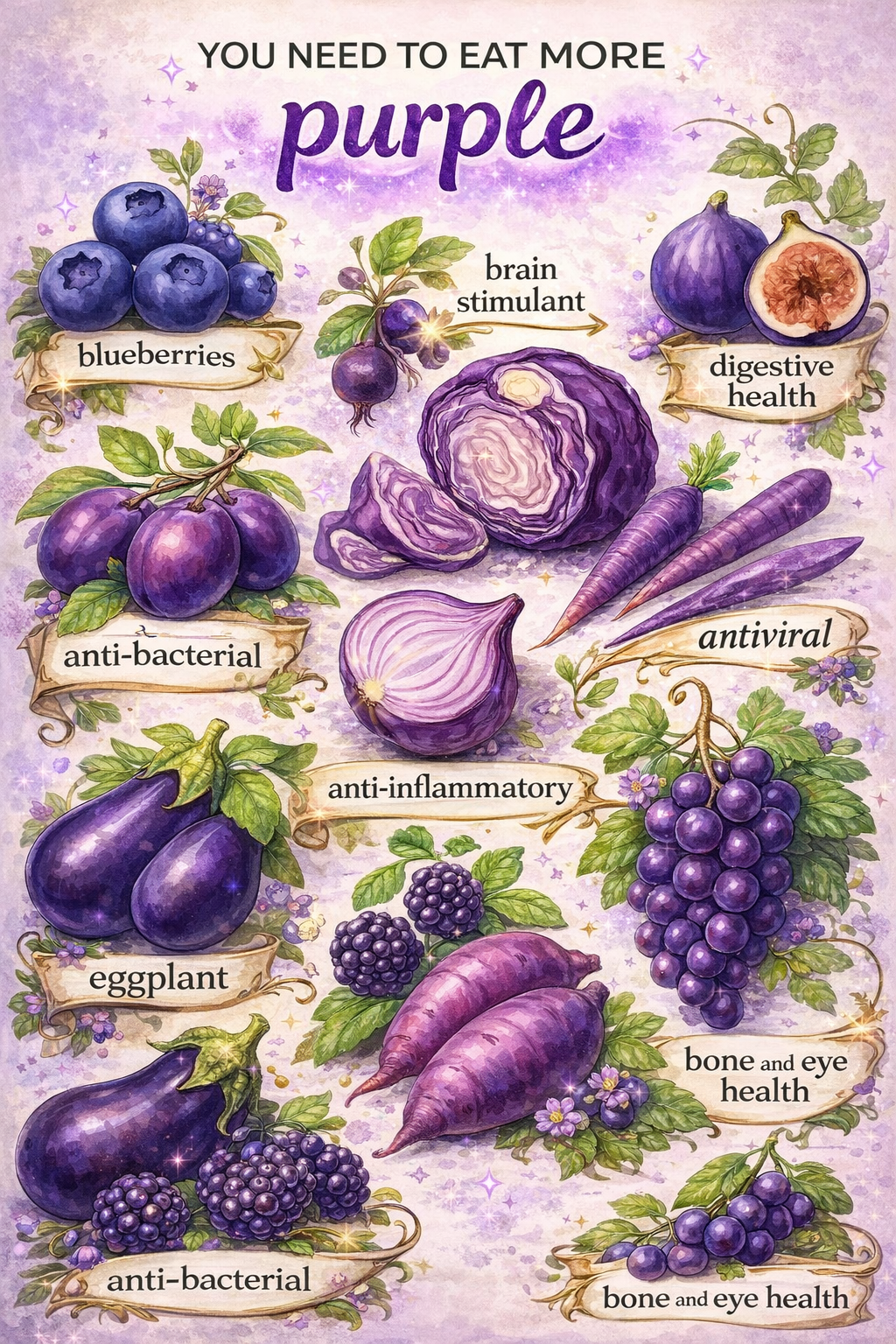
Colorful plates are often healthier plates—and among all food colors, purple stands out as one of the most powerful. Eating more purple foods brings important health benefits, thanks to their unique plant compounds that support the body from head to toe. From boosting brain health to protecting the heart and strengthening immunity, purple fruits and vegetables offer far more than just visual appeal.In recent years, nutrition experts across the US, UK, and Canada have emphasized “eating the rainbow” as a simple way to improve diet quality. Purple foods play a starring role in this approach because they are rich in antioxidants, particularly anthocyanins, which give them their deep violet, blue, and indigo hues.In this article, we’ll explore why eating more purple foods brings important health benefits, which foods to choose, how they work in the body, and practical ways to include them in your everyday meals.Why Purple Foods Are So PowerfulThe Role of AnthocyaninsThe primary reason eating more purple foods brings important health benefits is their high concentration of anthocyanins. These are natural plant pigments found in purple, blue, and red foods, and they act as potent antioxidants.Anthocyanins help:Neutralize harmful free radicalsReduce inflammationProtect cells from oxidative stressScientific studies link anthocyanins to lower risks of chronic diseases such as heart disease, type 2 diabetes, and certain cancers.A Natural Defense SystemPurple foods essentially act as the plant’s defense system against environmental stress—and when we eat them, we benefit from that same protection. This is why purple produce is often associated with longevity and disease prevention.Top Health Benefits of Eating Purple Foods1. Supports Heart HealthOne of the most well-researched reasons eating more purple foods brings important health benefits is their positive impact on cardiovascular health.Purple foods can:Improve blood vessel functionLower LDL (“bad”) cholesterolReduce blood pressureDecrease inflammation in arteriesFoods like blueberries, blackberries, purple grapes, and purple cabbage are especially heart-friendly. Regular consumption has been linked to a reduced risk of heart attacks and strokes in adults.2. Boosts Brain Function and MemoryPurple foods are often called “brain foods,” and for good reason. Anthocyanins can cross the blood–brain barrier, where they help protect neurons and improve communication between brain cells.Research suggests that eating more purple foods brings important health benefits such as:Improved memory and learningSlower cognitive decline with ageBetter focus and mental clarityThis makes purple foods particularly beneficial for older adults, students, and anyone looking to support long-term brain health.3. Strengthens the Immune SystemA strong immune system relies on antioxidants, vitamins, and anti-inflammatory compounds—all of which are abundant in purple foods.Purple fruits and vegetables:Enhance immune cell activityReduce chronic inflammationHelp the body fight infections more efficientlyFoods like elderberries, purple grapes, and purple sweet potatoes are often recommended during cold and flu season.4. Promotes Gut Health and DigestionAnother reason eating more purple foods brings important health benefits is their positive effect on gut health. Many purple foods are rich in dietary fiber and polyphenols that nourish beneficial gut bacteria.Healthy gut bacteria:Improve digestionEnhance nutrient absorptionSupport immune and mental healthPurple carrots, eggplant, plums, and black rice all contribute to a healthier digestive system when eaten regularly.5. Helps Regulate Blood Sugar LevelsPurple foods may be especially beneficial for people concerned about blood sugar control. Studies show that anthocyanins can improve insulin sensitivity and slow the absorption of sugars in the bloodstream.As a result, eating more purple foods brings important health benefits for:People with prediabetesThose managing type 2 diabetesAnyone aiming to prevent blood sugar spikesBlueberries, blackberries, and purple corn are excellent choices for balanced blood sugar.Common Purple Foods to Add to Your DietPurple FruitsBlueberriesBlackberriesPurple grapesPlumsElderberriesAcai berriesPurple VegetablesPurple cabbageEggplant (aubergine)Purple sweet potatoesPurple carrotsPurple cauliflowerRed onionsPurple Grains and LegumesBlack rice (forbidden rice)Purple cornBlack beansPurple lentilsIncluding a variety of these foods ensures you benefit from different nutrients and antioxidant profiles.Practical Tips to Eat More Purple Foods Daily1. Start with BreakfastAdd blueberries or blackberries to oatmeal, yogurt, or smoothies. This is one of the easiest ways to experience why eating more purple foods brings important health benefits.2. Upgrade Your SaladsMix shredded purple cabbage, red onions, or roasted purple carrots into salads for extra crunch, color, and nutrition.3. Swap White for PurpleReplace white potatoes or rice with purple sweet potatoes or black rice for a more nutrient-dense option.4. Snack SmarterChoose purple grapes, plums, or a handful of berries instead of processed snacks.5. Cook Them GentlyTo preserve antioxidants:Steam instead of boilingRoast at moderate temperaturesAvoid overcookingGentle cooking helps retain anthocyanins and maximizes health benefits.Purple Foods and Weight ManagementBecause many purple foods are high in fiber and low in calories, they help promote satiety. This means you feel fuller for longer, which can support healthy weight management.Another reason eating more purple foods brings important health benefits is their ability to:Reduce cravingsBalance blood sugarSupport metabolismThis makes them a smart addition to balanced diets in the US, UK, and Canada.Are Purple Foods Safe for Everyone?Yes—purple foods are generally safe and beneficial for people of all ages. However:Those on blood-thinning medications should moderate intake of foods very high in vitamin K (like purple cabbage)People with food allergies should introduce new foods graduallyAs always, variety and moderation are key.ConclusionThere’s a reason nutrition experts encourage colorful eating, and purple foods deserve special attention. Eating more purple foods brings important health benefits by supporting heart health, brain function, digestion, immunity, and blood sugar balance—all while adding vibrant flavor and beauty to your plate.From blueberries and purple cabbage to eggplant and black rice, these deeply pigmented foods offer powerful antioxidants that protect your body at the cellular level. By making small, practical changes—like adding berries to breakfast or swapping white foods for purple—you can enjoy long-term health benefits without drastic diet changes.