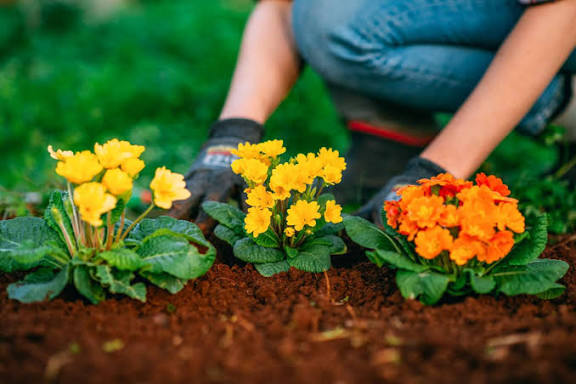
Planting a flower garden is one of the most rewarding ways to bring beauty, color, and life into your outdoor space. Whether you have a large backyard, a small front yard, or just a few containers on a balcony, learning how to plant a flower garden can transform your surroundings and boost your well-being. In this guide, you’ll discover everything you need to know to start planting a stunning flower garden today—step by step, with practical tips that work in the United States, United Kingdom, and Canada.Why You Should Plant a Flower GardenA flower garden is more than just decoration. It offers multiple benefits:Enhances curb appeal and home valueSupports pollinators like bees and butterfliesReduces stress and improves mental healthAdds seasonal color and fragranceNo matter your experience level, anyone can enjoy the joy of gardening once they understand how to plant a flower garden the right way.Step 1: Choose the Right LocationSunlight MattersMost flowering plants need:Full sun: 6–8 hours of sunlight per dayPartial sun: 3–6 hours for shade-tolerant flowersObserve your garden throughout the day to determine how much sunlight different areas receive.Consider DrainageFlowers prefer well-draining soil. Avoid low spots where water pools after rain, as excess moisture can cause root rot.Step 2: Plan Your Flower Garden DesignDecide on a Garden StylePopular flower garden styles include:Cottage garden (loose, colorful, romantic)Formal garden (symmetry and structure)Wildflower garden (natural and low-maintenance)Pollinator garden (butterfly and bee-friendly)Think About Height and ColorPlace taller flowers in the back and shorter ones in the front. Choose colors that complement each other for a balanced look.Step 3: Prepare the Soil ProperlyHealthy soil is the foundation of a thriving garden.Loosen soil 8–12 inches deepRemove weeds, rocks, and debrisMix in compost or organic matterAim for soil that is loose, rich, and well-aerated💡 Tip: A soil test can help you understand nutrient levels and pH needs.Step 4: Choose the Right FlowersAnnuals vs. PerennialsAnnuals: Bloom all season but last one year (petunias, marigolds)Perennials: Return year after year (lavender, coneflowers, daisies)Beginner-Friendly FlowersZinniasSunflowersCosmosGeraniumsBlack-eyed SusansChoose flowers suited to your climate zone for best results.Step 5: Planting Your Flower GardenHow to Plant Flowers CorrectlyDig holes slightly wider than the plant’s root ballRemove plants gently from containersPlace at soil level—not too deepFill with soil and press lightlyWater thoroughly after plantingSpacing matters—crowded plants compete for nutrients and sunlight.Step 6: Watering and MulchingWatering TipsWater deeply 2–3 times per weekMorning watering is bestAvoid soaking leaves to prevent diseaseMulching BenefitsAdd a 2–3 inch layer of mulch to:Retain moistureSuppress weedsRegulate soil temperatureStep 7: Ongoing Care and MaintenanceFertilizingUse a balanced fertilizer during the growing season to encourage blooms.DeadheadingRemove spent flowers to promote continuous blooming.Pest ControlInspect plants regularly and use natural solutions when possible.Common Mistakes to AvoidPlanting without checking sunlight needsOverwatering or underwateringIgnoring soil preparationPlanting too close togetherAvoiding these mistakes helps ensure success when you discover how to plant a flower garden today.Flower Garden Ideas for Small SpacesContainer gardensRaised bedsHanging basketsVertical flower gardensEven small spaces can be bursting with color and charm.ConclusionOnce you discover how to plant a flower garden today, you’ll realize it’s simpler and more rewarding than you ever imagined. With proper planning, healthy soil, and the right flower choices, your garden can thrive throughout the seasons.Whether you’re planting your first flower bed or refreshing an existing one, the steps and tips in this guide will help you create a vibrant, beautiful garden you can enjoy every day. Start planting today—and watch your garden come to life!