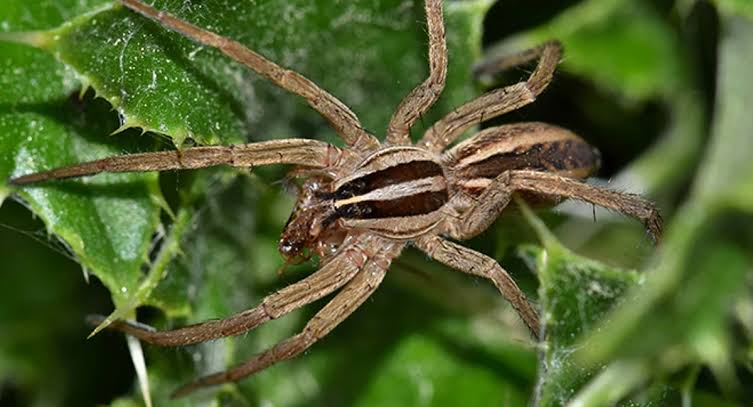
Spiders are found in every U.S. state, from deserts and forests to basements and backyards. While they often get a bad reputation, the vast majority are non-aggressive and beneficial, helping control insects like flies, mosquitoes, and ants.Below are some of the most common spiders in the United States, grouped by how likely you are to encounter them.Common House Spiders1. American House SpiderWhere you’ll find it: Indoors—corners, ceilings, basements, garagesAppearance: Small to medium, brown or gray, round abdomenDanger level: HarmlessThese are among the most frequently seen spiders in U.S. homes. They spin messy webs and usually stay out of sight.2. Cellar Spider (Daddy Longlegs Spider)Where you’ll find it: Basements, crawl spaces, bathroomsAppearance: Tiny body, very long thin legsDanger level: HarmlessOften confused with harvestmen, cellar spiders are excellent pest controllers and completely safe to humans.3. Yellow Sac SpiderWhere you’ll find it: Walls, ceilings, houseplantsAppearance: Pale yellow, small, fast-movingDanger level: Mild bite (rare)Unlike web-builders, these spiders roam at night. Bites are uncommon but can cause minor irritation.Common Outdoor & Garden Spiders4. Wolf SpiderWhere you’ll find it: Lawns, gardens, sheds, garagesAppearance: Large, hairy, brown or grayDanger level: Harmless (bite only if provoked)Wolf spiders don’t spin webs and instead hunt on the ground. Despite their size, they’re shy and beneficial.5. Orb-Weaver SpiderWhere you’ll find it: Gardens, porches, treesAppearance: Large abdomen, often colorful, round websDanger level: HarmlessKnown for their beautiful circular webs, orb-weavers are some of the most visually striking spiders in the U.S.6. Garden Spider (Black and Yellow Argiope)Where you’ll find it: Shrubs, tall grass, vegetable gardensAppearance: Black and yellow body, zigzag web patternDanger level: HarmlessThese spiders look intimidating but are gentle and excellent at controlling garden pests.Common Jumping Spiders7. Jumping SpiderWhere you’ll find it: Windowsills, walls, outdoor furnitureAppearance: Small, compact body, large forward-facing eyesDanger level: HarmlessJumping spiders are curious, intelligent, and often active during the day. Many people find them surprisingly cute.Spiders People Worry About (But Rarely Encounter)8. Black Widow SpiderWhere you’ll find it: Woodpiles, sheds, garagesAppearance: Shiny black with red hourglass markingDanger level: Venomous, but bites are rareBlack widows are not aggressive and usually bite only when threatened. Medical treatment is available and effective.9. Brown Recluse SpiderWhere you’ll find it: Midwest and South-Central U.S., dark undisturbed areasAppearance: Light brown with violin-shaped markingDanger level: Venomous, but very rare bitesDespite widespread fear, brown recluses are uncommon and avoid human contact.Why Most Spiders Are Good to Have AroundThey reduce insect populations naturallyThey don’t seek human interactionThey help maintain ecological balanceIn gardens, spiders are free pest control—especially helpful for anyone growing vegetables or flowers.How to Reduce Spiders in Your Home (Without Harm)If you’d rather keep spiders outside:Seal cracks and gaps around doors and windowsReduce clutter in basements and garagesTurn off outdoor lights that attract insectsVacuum webs instead of spraying chemicalsNon-toxic methods are usually more than enough.Final ThoughtsWhile spiders may seem unsettling, most common spiders in the United States are harmless, shy, and beneficial. Understanding which spiders are normal—and which are truly rare—can ease fear and help you coexist peacefully with these important creatures.