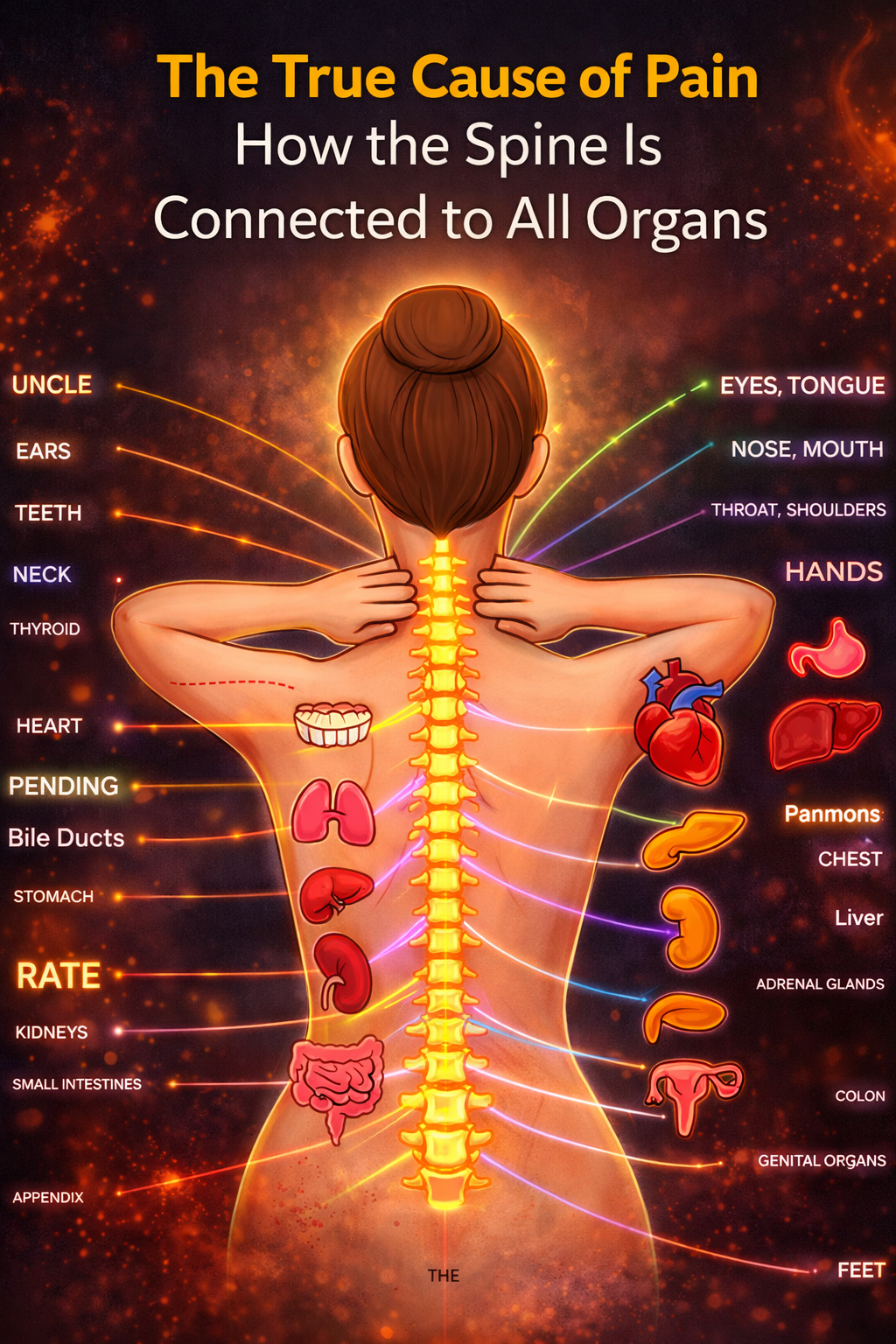
Your back does far more than support your body—it influences how you move, breathe, focus, and even how energetic you feel throughout the day. When back discomfort creeps in, it often brings along stiffness, fatigue, poor concentration, and stress. On the flip side, good back care can improve mental clarity, posture, mobility, and overall well-being.Whether you work at a desk, stay active, or juggle long days on your feet, these practical back care tips can help you feel lighter, clearer, and more balanced—physically and mentally.Why Back Health Affects Mental ClarityThe connection between the body and mind is real. Chronic back tension can subtly drain your focus and mood.How Back Issues Impact Well-beingPersistent discomfort increases stress hormonesPoor posture restricts breathing and oxygen flowMuscle tension reduces circulationPain distracts the brain and lowers productivityCaring for your back isn’t just about avoiding pain—it’s about supporting clear thinking, calmness, and daily comfort.Maintain Proper Posture Throughout the DayPosture is the foundation of back health.Everyday Posture TipsKeep ears aligned over shoulders when sitting or standingRelax shoulders—avoid hunching forwardEngage your core lightly instead of slouchingKeep feet flat on the floor when seatedDesk tip: Your screen should be at eye level, and your lower back should be supported by a chair or cushion.Good posture reduces strain on the spine and helps you feel more alert and confident.Move Often to Keep the Spine HappySitting or standing in one position for too long is one of the biggest enemies of back health.Simple Movement HabitsStand up every 30–45 minutesStretch gently during breaksWalk for 5–10 minutes every few hoursChange positions frequentlyMovement keeps spinal discs hydrated and muscles flexible, which supports comfort and mental sharpness.Strengthen Your Core for Long-Term SupportA strong core protects your back by sharing the workload.Core Muscles IncludeAbdominalsLower back musclesPelvic musclesGlutesBeginner-Friendly Core ExercisesPlanks (even 15–30 seconds helps)Bird-dog exerciseGlute bridgesSeated core engagementYou don’t need intense workouts—consistent, gentle strengthening goes a long way.Stretch Daily to Release TensionTight muscles pull on the spine, leading to discomfort and stiffness.Helpful Back-Friendly StretchesCat–cow stretchChild’s poseSeated spinal twistHamstring stretchChest-opening stretchStretching improves flexibility, circulation, and relaxation—key elements of physical and mental clarity.Lift and Carry the Right WayImproper lifting is a common cause of back strain.Safe Lifting TipsBend at the hips and knees, not the waistKeep the object close to your bodyEngage your core before liftingAvoid twisting while carrying weightEven everyday tasks like groceries or laundry can impact your back if done carelessly.Improve Sleep Position and SupportYour back spends hours recovering while you sleep—make sure your setup helps, not hurts.Sleep Tips for Back HealthUse a mattress that supports natural spinal alignmentSleep on your back with a pillow under your kneesSide sleepers: place a pillow between kneesAvoid sleeping on your stomach if possibleQuality sleep directly affects pain levels, mood, and mental clarity.Manage Stress to Reduce Back TensionStress often shows up physically—especially in the back, neck, and shoulders.Stress-Reducing PracticesDeep breathing exercisesGentle yoga or stretchingShort walks in natureMindfulness or meditationWhen stress decreases, muscle tension often follows, allowing the body and mind to reset.Stay Hydrated for Spinal HealthSpinal discs need water to stay flexible and cushioned.Hydration BenefitsSupports disc healthImproves muscle functionReduces stiffnessBoosts overall energy and focusAim for consistent hydration throughout the day rather than large amounts all at once.Listen to Your Body’s SignalsIgnoring minor discomfort can lead to bigger problems later.Pay Attention ToPersistent stiffnessSharp or radiating painReduced range of motionPain that interferes with daily tasksEarly care—rest, stretching, posture correction—often prevents long-term issues.Build Back Care into Daily LifeThe key to lasting back health is consistency, not perfection.Simple Daily Back Care RoutineMorning stretch (5 minutes)Good posture awarenessRegular movement breaksLight core engagementEvening relaxation or stretchingSmall habits practiced daily support both physical ease and mental clarity.Conclusion: A Healthy Back Supports a Clear MindBack care is more than a physical concern—it’s a foundation for clarity, comfort, and well-being. When your spine is supported, your muscles relaxed, and your posture aligned, your body works more efficiently and your mind feels calmer and sharper.By moving regularly, strengthening gently, managing stress, and listening to your body, you can protect your back and improve your overall quality of life. A healthy back doesn’t just help you move better—it helps you live better, think clearer, and feel more balanced every day.