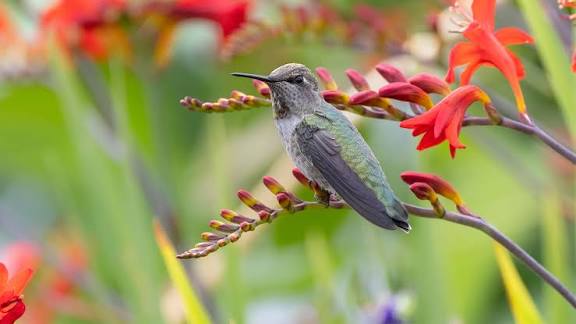
If you want to turn your garden into a lively, colorful haven, planting native perennials that attract hummingbirds is one of the best ways to do it. These tiny birds are drawn to bright, nectar-rich flowers—especially red, pink, and tubular blooms. Native plants are particularly effective because they’re naturally adapted to local climates across the United States, United Kingdom (where possible), and Canada, making them easier to grow and better for pollinators.In this guide, you’ll discover 8 native perennials to attract hummingbirds, along with tips on planting, maintenance, and creating a vibrant pollinator-friendly landscape.Why Choose Native Perennials for Hummingbirds?Native plants offer major benefits:Reliable nectar sources hummingbirds recognize instinctivelyLow maintenance because they’re adapted to local conditionsEnvironmental support for bees, butterflies, and other wildlifeLong-lasting blooms that return year after yearBy planting hummingbird-friendly perennials, you create a sustainable garden that supports local ecosystems while adding stunning color.1. Bee Balm (Monarda)Bee balm is a hummingbird favorite thanks to its bright red, tubular flowers and fragrant foliage. Native to North America, it thrives in sunny garden beds and attracts a variety of pollinators.Growing Tips:Full sun to partial shadeMoist, well-drained soilDeadhead to encourage more blooms2. Cardinal Flower (Lobelia cardinalis)With brilliant scarlet spikes, cardinal flower is one of the best native perennials to attract hummingbirds. It thrives in moist conditions, making it ideal for rain gardens or pond edges.Growing Tips:Partial sunMoist or wet soilGreat for naturalized landscapes3. Columbine (Aquilegia canadensis)Wild columbine produces delicate red-and-yellow blooms that hummingbirds love. It’s perfect for woodland gardens and shaded areas.Growing Tips:Partial shadeWell-drained soilSelf-seeds easily for natural spreading4. Penstemon (Beardtongue)Penstemon varieties feature tubular blooms ideal for hummingbird feeding. Many species are native across North America and tolerate dry conditions.Growing Tips:Full sunWell-drained soilDrought tolerant once established5. Coral Bells (Heuchera)Coral bells offer delicate flower spikes and colorful foliage. While subtle, their nectar-rich blooms attract hummingbirds and other pollinators.Growing Tips:Partial shadeMoist, well-drained soilExcellent for borders and containers6. Blue Lobelia (Lobelia siphilitica)A companion to cardinal flower, blue lobelia produces striking blue spikes that attract hummingbirds and butterflies.Growing Tips:Partial sunMoist soilPerfect for rain gardens or shaded borders7. Wild Bergamot (Monarda fistulosa)Wild bergamot, another Monarda species, features lavender blooms loved by hummingbirds. It’s drought-tolerant and ideal for prairie-style gardens.Growing Tips:Full sunWell-drained soilExcellent for pollinator meadows8. Scarlet Sage (Salvia coccinea)Scarlet sage offers bright red blooms that hummingbirds find irresistible. Though often grown as an annual in cooler climates, it behaves like a perennial in warmer regions.Growing Tips:Full sunWell-drained soilDeadhead for continuous bloomsPractical Tips to Attract More HummingbirdsPlant in clusters: Large patches make flowers easier for birds to spot.Choose bright colors: Red, orange, and pink flowers are most attractive.Provide continuous blooms: Combine early, mid, and late-season perennials.Avoid pesticides: Protect hummingbirds and beneficial insects.Add water sources: A shallow birdbath or misting feature attracts wildlife.ConclusionPlanting native perennials to attract hummingbirds is a beautiful way to support wildlife while enhancing your garden’s color and vitality. From the brilliant spikes of cardinal flower to the delicate blooms of columbine, these eight perennials provide reliable nectar sources and long-lasting beauty.By choosing native plants, grouping flowers strategically, and providing a welcoming environment, you can transform your outdoor space into a hummingbird haven that thrives season after season—bringing life, movement, and natural charm to your garden.