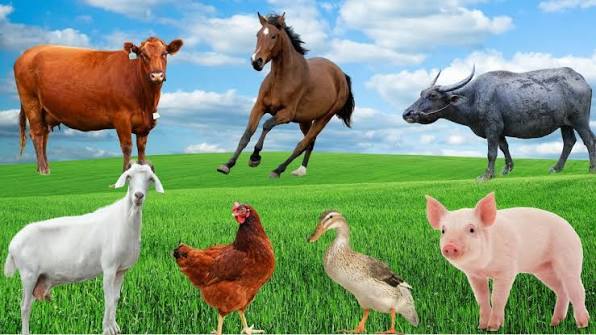
A Complete Guide to Farm Animal Products and Their Everyday UsesFarm animals play a vital role in agriculture, food production, and rural life across the United States, United Kingdom, and Canada. From nourishing foods to essential materials used in clothing, farming, and industry, each animal contributes far more than many people realize. Understanding what each farm animal produces helps us appreciate where everyday items come from and how interconnected farming and daily life truly are.In this guide, we’ll explore the most common farm animals, what they produce, and how their products are used—whether on the farm, in the kitchen, or beyond.🌾 Why Farm Animals MatterFarm animals are essential to sustainable agriculture. They provide:Nutritious foodRenewable materialsNatural fertilizersLabor and companionshipKnowing what each farm animal produces is especially useful for homesteaders, students, gardeners, and anyone curious about food systems and self-sufficiency.🐄 Cows: One of the Most Versatile Farm AnimalsWhat Cows ProduceCows are among the most productive farm animals in the world.Primary products:MilkBeefLeather (from hides)By-products:ButterCheeseYogurtCreamGelatinFertilizer (manure)Cow’s milk is widely used in dairy products across North America and Europe, while leather is essential for shoes, bags, furniture, and clothing.🐓 Chickens: Small but Mighty ProducersWhat Chickens ProduceChickens are one of the easiest and most common farm animals to raise.Primary products:EggsMeat (chicken)By-products:Feathers (pillows, crafts, insulation)Manure (excellent compost fertilizer)Eggs are a staple food worldwide, and chickens help control pests naturally by eating insects.🐑 Sheep: Wool and MoreWhat Sheep ProduceSheep are valued for both renewable and consumable products.Primary products:WoolMeat (lamb or mutton)Milk (used for specialty cheeses)By-products:Lanolin (from wool, used in skincare)Felt and textilesSheep wool is one of the most sustainable natural fibers used in clothing and blankets.🐐 Goats: Hardy and Highly ProductiveWhat Goats ProduceGoats are incredibly adaptable and thrive in many climates.Primary products:MilkMeat (chevon or cabrito)By-products:Cheese (especially chèvre)Soap and skincare productsFiber (cashmere, mohair from certain breeds)Goat milk is easier to digest for many people and commonly used in artisan dairy products.🐖 Pigs: More Than Just PorkWhat Pigs ProducePigs are efficient animals that convert food into usable products.Primary products:PorkBy-products:Bacon, ham, sausagesLard (used in cooking and baking)GelatinFertilizer (manure)Pigs have historically been known as “waste recyclers” on farms because they can consume many food scraps.🐎 Horses: Power and PartnershipWhat Horses ProduceWhile not typically raised for food in many Western countries, horses contribute in other ways.Primary contributions:Labor (plowing, hauling, transport)Companionship and therapyBy-products:Manure (excellent for composting)Hair (used for brushes and crafts)Horses remain important on working farms, ranches, and for recreational riding.🦆 Ducks: Eggs, Meat, and FeathersWhat Ducks ProducePrimary products:Eggs (larger and richer than chicken eggs)Meat (duck)By-products:Feathers and down (pillows, jackets)Pest control in gardensDuck eggs are popular in baking due to their higher fat content.🦃 Turkeys: A Seasonal FavoriteWhat Turkeys ProducePrimary products:MeatBy-products:FeathersFertilizerTurkeys are especially popular in the U.S. and Canada during holiday seasons but are increasingly raised year-round.🐝 Bonus Farm Animal: BeesThough small, bees are among the most valuable farm animals.What Bees ProduceHoneyBeeswaxPropolisRoyal jellyBeyond products, bees are critical pollinators, supporting fruit, vegetable, and seed production.🌱 Practical Tips for Small Farms and HomesteadsChoose Animals Based on Your NeedsEggs and meat → Chickens or ducksMilk → Goats or cowsFiber → Sheep or fiber goatsThink SustainabilityMany animals produce multiple benefits—food, fertilizer, and pest control—making them ideal for eco-friendly farming.Use Every By-ProductManure can enrich soil, feathers can be composted or reused, and milk can be turned into long-lasting products like cheese.🌍 How Farm Animal Products Fit Into Daily LifeFrom breakfast eggs to wool sweaters and leather shoes, farm animal products are deeply woven into everyday living. Understanding what each farm animal produces helps consumers make informed choices about food sourcing, sustainability, and animal welfare.✅ ConclusionFarm animals are far more than just livestock—they are providers of food, materials, labor, and environmental balance. By learning what each farm animal produces, we gain a deeper appreciation for agriculture and the farmers who make modern life possible.Whether you’re raising animals, learning about farming, or simply curious about where everyday products come from, this knowledge connects us more closely to the land and the animals that sustain us. 🐓🐏🐎🐐