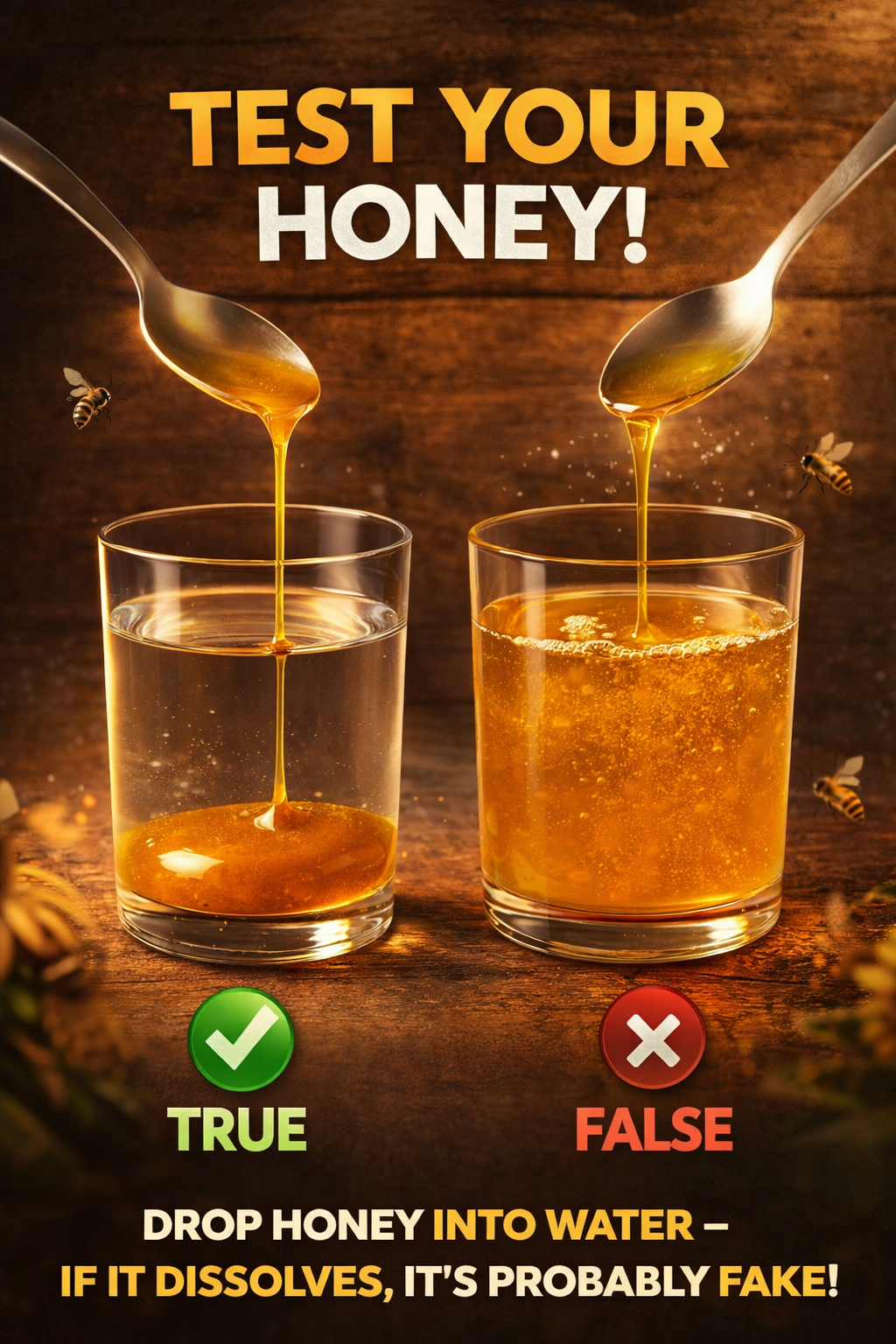
Honey has been treasured for thousands of years—not only for its natural sweetness but also for its health benefits, antibacterial properties, and culinary versatility. Whether you drizzle it over toast, stir it into tea, or use it in baking, you want to be sure you’re getting the real deal. Unfortunately, honey adulteration is a growing global issue, with some products diluted with sugar syrups or mislabeled as “pure.”That’s why learning 🍯 How to Test Honey at Home 🍯 is so valuable. While laboratory testing provides the most accurate results, there are several simple at-home methods that can help you spot potential impurities. In this guide, we’ll walk you through practical, easy honey purity tests you can try in your own kitchen—perfect for readers in the United States, United Kingdom, and Canada who want to make informed choices.Why It’s Important to Test HoneyBefore diving into 🍯 How to Test Honey at Home 🍯, let’s understand why testing matters.Pure honey is made by bees from flower nectar and contains natural enzymes, antioxidants, vitamins, and minerals. Adulterated honey, on the other hand, may contain:High-fructose corn syrupGlucose syrupCane sugar syrupArtificial flavorings or coloringsThese additives reduce quality and nutritional value. Knowing how to identify pure honey at home can help you:Protect your healthGet value for your moneySupport ethical beekeeping practicesAvoid overly processed sweeteners🍯 How to Test Honey at Home 🍯: Simple Methods You Can TryBelow are some of the most popular home honey tests. Keep in mind that no single method is 100% definitive, but combining several can give you a clearer picture.1. The Water TestHow It WorksThe water test is one of the easiest ways to check honey purity.StepsFill a glass with room-temperature water.Add one tablespoon of honey.Observe what happens.What to Look ForPure honey will settle at the bottom and stay intact.Adulterated honey may dissolve quickly or start mixing with the water.Why It WorksPure honey has a dense, thick consistency. If it has been diluted with syrups or water, it will break down more easily.2. The Thumb TestThis quick method requires nothing but your finger.StepsPlace a small drop of honey on your thumb.Watch how it behaves.ResultsPure honey stays in place and doesn’t spread easily.Fake or diluted honey may run or spread across your skin.This test works because authentic honey has low moisture content and high viscosity.3. The Flame Test⚠️ Use caution when performing this test.StepsDip a cotton wick or matchstick in honey.Shake off excess honey.Try lighting it with a match.What Happens?Pure honey can burn because it contains very little water.Adulterated honey may not light due to added moisture.If the wick fails to ignite, it could indicate added water or impurities.4. The Vinegar TestAnother easy method in learning 🍯 How to Test Honey at Home 🍯 involves vinegar.StepsMix one tablespoon of honey with a little water.Add 2–3 drops of vinegar.Observe any reaction.ResultsIf the mixture becomes foamy, it may contain chalk or other adulterants.No reaction usually suggests better purity.5. The Heat TestHeating honey can also reveal signs of adulteration.StepsPlace a spoonful of honey in a microwave-safe bowl.Heat gently for about 20–30 seconds.What to ExpectPure honey caramelizes quickly without bubbling excessively.Adulterated honey may foam or form bubbles due to added sugars or moisture.Note: Avoid overheating, as high temperatures destroy beneficial enzymes.6. The Crystallization TestMany people think crystallized honey is spoiled—but it’s actually a good sign.Why Crystallization MattersRaw, natural honey tends to crystallize over time, especially in cooler climates like Canada and parts of the UK.Pure honey often becomes thick or grainy.Highly processed honey may remain liquid for long periods due to filtration and heating.Crystallization is influenced by floral source and storage conditions, so it’s not an absolute test—but it’s a helpful clue.7. The Paper Towel TestThis method checks for added moisture.StepsPlace a drop of honey on a paper towel or blotting paper.Wait a few minutes.ResultsPure honey stays intact and doesn’t soak through easily.Diluted honey may spread or leave a wet mark.Because pure honey has low water content, it shouldn’t be quickly absorbed.Additional Signs of Pure HoneyWhen exploring 🍯 How to Test Honey at Home 🍯, it’s helpful to evaluate honey beyond kitchen experiments.1. Read the Label CarefullyIn the US, UK, and Canada, reputable brands typically:List only one ingredient: honeyMention the country of originSpecify “raw” or “unfiltered”Be cautious of vague labels like “honey blend.”2. Check the TexturePure honey:Feels thick and smoothHas a rich aromaMay vary in color depending on floral source3. Consider the TasteAuthentic honey has complex flavor notes—floral, herbal, fruity, or woody depending on its source. Artificial honey often tastes overly sweet and one-dimensional.Limitations of Home Honey TestsWhile learning 🍯 How to Test Honey at Home 🍯 is empowering, it’s important to understand the limitations.Some pure honeys may dissolve in water depending on temperature.Crystallization varies by nectar source.Certain adulterated honeys are designed to pass simple home tests.Professional laboratory analysis (such as pollen analysis or isotope testing) is the most reliable method. However, combining several at-home techniques increases your confidence.Practical Tips for Buying and Storing HoneyTo complement your home testing efforts, follow these practical tips:🛒 Buy Local When PossibleFarmers’ markets in the US, UK, and Canada often offer raw, locally harvested honey. Local honey:Supports nearby beekeepersIs less likely to be heavily processedMay help with seasonal allergies📦 Store Honey ProperlyKeep honey in a tightly sealed container.Store at room temperature (not in the fridge).Avoid moisture contamination.Refrigeration speeds up crystallization but doesn’t harm quality.🔥 How to Fix Crystallized HoneyIf your honey crystallizes:Place the jar in warm (not boiling) water.Stir gently until smooth.Avoid microwaving excessively, as high heat can destroy beneficial nutrients.Frequently Asked Questions About Honey PurityIs cloudy honey bad?Not at all. Cloudiness can indicate raw, unfiltered honey with pollen and natural particles intact.Does pure honey expire?Honey has an incredibly long shelf life due to its low moisture and acidic pH. Properly stored honey can last for years.Can fake honey still look thick?Yes. Some syrups are formulated to mimic the viscosity of real honey. That’s why using multiple methods from 🍯 How to Test Honey at Home 🍯 is recommended.ConclusionUnderstanding 🍯 How to Test Honey at Home 🍯 empowers you to make smarter purchasing decisions and enjoy honey in its purest form. While no single home test guarantees absolute accuracy, combining methods—like the water test, thumb test, crystallization observation, and label reading—can give you strong clues about quality and authenticity.For consumers in the United States, United Kingdom, and Canada, choosing pure honey means supporting ethical beekeeping, protecting your health, and enjoying richer flavor. Remember, real honey doesn’t just sweeten your food—it reflects the flowers, climate, and hard work of bees.Next time you buy a jar, try a few of these simple tests and experience the difference