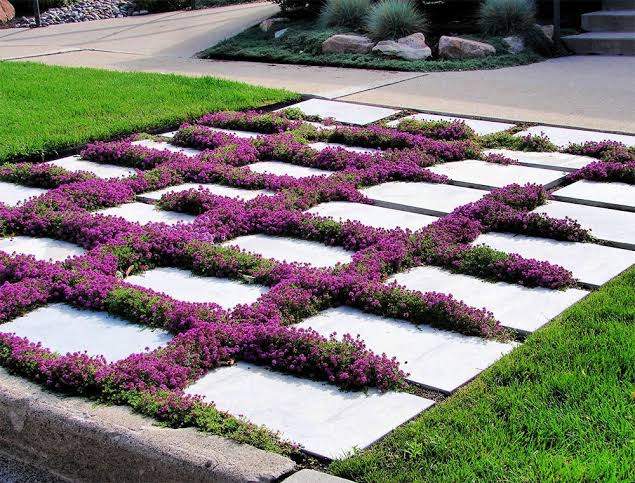
If you’re dreaming of a lush, low-maintenance, and eco-friendly lawn, creeping thyme might just be your perfect solution. This hardy, fragrant ground cover has grown in popularity across the United States, United Kingdom, and Canada as homeowners look for sustainable alternatives to traditional grass lawns. Creeping thyme isn’t just beautiful—it’s practical, environmentally friendly, and full of charm.In this guide, we’ll explore what creeping thyme is, why it’s an excellent lawn alternative, how to plant and care for it, and tips for maximizing its beauty and resilience.What Is Creeping Thyme?Creeping thyme (Thymus serpyllum or Thymus praecox) is a low-growing, aromatic herb that spreads horizontally across the ground. Unlike grass, creeping thyme forms a dense mat that can tolerate light foot traffic and thrives in sunny, well-drained conditions.Key Features:Height: 2–3 inches (5–8 cm)Spread: Can cover a large area quicklyFlowers: Tiny blooms in shades of pink, purple, or whiteFragrance: A pleasant, natural herbal scent when walked on or touchedWhy Creeping Thyme Is an Excellent Lawn Alternative1. Low MaintenanceCreeping thyme requires minimal mowing—often none at all. Its slow growth means less trimming, watering, and fertilizing compared to grass lawns.2. Drought-TolerantThis herb thrives in dry conditions and sunny spots, reducing water usage significantly. It’s perfect for areas prone to drought or for homeowners looking to conserve water.3. Attracts PollinatorsThe delicate flowers attract bees, butterflies, and other beneficial insects, supporting local biodiversity.4. Weed ResistanceDense creeping thyme mats naturally suppress weeds, limiting the need for chemical herbicides.5. Eco-FriendlyFewer chemicals, less mowing, and less water use make creeping thyme an environmentally responsible choice.6. Fragrant and BeautifulWhen you walk on creeping thyme, it releases a delightful herbal aroma. Plus, its flowers add seasonal color and charm to your outdoor space.How to Plant Creeping Thyme1. Choose the Right LocationFull sun is ideal for best growth and flowering.Well-drained soil prevents root rot.Avoid heavy shade, which can slow growth.2. Prepare the SoilLoosen soil to a depth of 2–3 inches (5–8 cm).Mix in sand or organic matter if soil is dense or clay-heavy.3. Planting OptionsSeeds: Scatter evenly, lightly press into soil, and water gently. Germination can take 2–3 weeks.Transplants or Plugs: Space 6–12 inches (15–30 cm) apart for faster coverage.4. WateringKeep the soil moist for the first few weeks to establish roots. Once established, creeping thyme is drought-tolerant and only needs occasional watering.Caring for Your Creeping Thyme LawnMinimal Maintenance Tips:Mowing: Optional; trim lightly after flowering to encourage bushier growth.Fertilizing: Rarely needed; a light application of balanced fertilizer in spring can help.Weeding: New plantings may need some initial weed control, but mature thyme resists weeds naturally.Pest Control: Creeping thyme is generally pest-resistant. Aphids or spider mites are rare issues.Flowering SeasonMost varieties bloom in late spring to early summer.Deadheading flowers is optional but can encourage additional blooms.Creative Ways to Use Creeping Thyme1. Pathway Ground CoverPlant along walkways or between stepping stones. Its fragrance releases with every step.2. Rock Garden AccentCreeping thyme thrives in rocky, sloped areas where grass struggles.3. Edging Around Garden BedsUse as a fragrant, colorful border around flower beds or vegetable gardens.4. Container GardeningGrow in shallow pots, window boxes, or hanging baskets for cascading herbal beauty.Popular Varieties of Creeping ThymeElfin Thyme: Tiny leaves, slow-growing, perfect for tight spaces.Mother of Thyme: Strong fragrance, good for sunny rock gardens.Coccineus (Scarlet Creeping Thyme): Pink-red flowers, excellent for pollinators.Silver Posie: Silvery foliage with lavender flowers, adds ornamental appeal.Choose a variety based on growth habit, flower color, and fragrance preferences.Benefits Beyond BeautyCreeping thyme isn’t just visually appealing:Culinary Use: Leaves can be harvested for seasoning meat, soups, and roasted vegetables.Aromatic Pathways: Fragrant leaves enhance outdoor relaxation.Eco-Friendly Landscaping: Reduces water and chemical use, lowers carbon footprint.Durable Ground Cover: Can handle light foot traffic, making it ideal for lawns or play areas.Tips for Establishing a Successful Creeping Thyme LawnStart Small: Plant in sections or along borders before covering a large area.Regular Watering Early On: Help roots establish in the first 6–8 weeks.Avoid Heavy Foot Traffic Initially: Once mature, thyme withstands light walking.Combine With Other Low-Growing Herbs: Consider chamomile or oregano for variety and extra coverage.Patience Pays Off: Creeping thyme may take one season to fully cover a large area, but the long-term benefits are worth it.Conclusion: A Sustainable, Fragrant Lawn Alternative 🌿Creeping thyme is more than a charming ground cover—it’s a practical, eco-friendly, and low-maintenance alternative to traditional grass lawns. Its drought tolerance, aromatic fragrance, and pollinator-friendly blooms make it an excellent choice for homeowners in the US, UK, and Canada seeking beauty, functionality, and sustainability.By replacing part or all of your lawn with creeping thyme, you gain a fragrant, resilient, and visually stunning landscape while reducing maintenance, water use, and chemical inputs. From pathways to rock gardens to full lawn replacements, creeping thyme is a versatile, eco-conscious solution that rewards patience with long-lasting beauty and enjoyment.