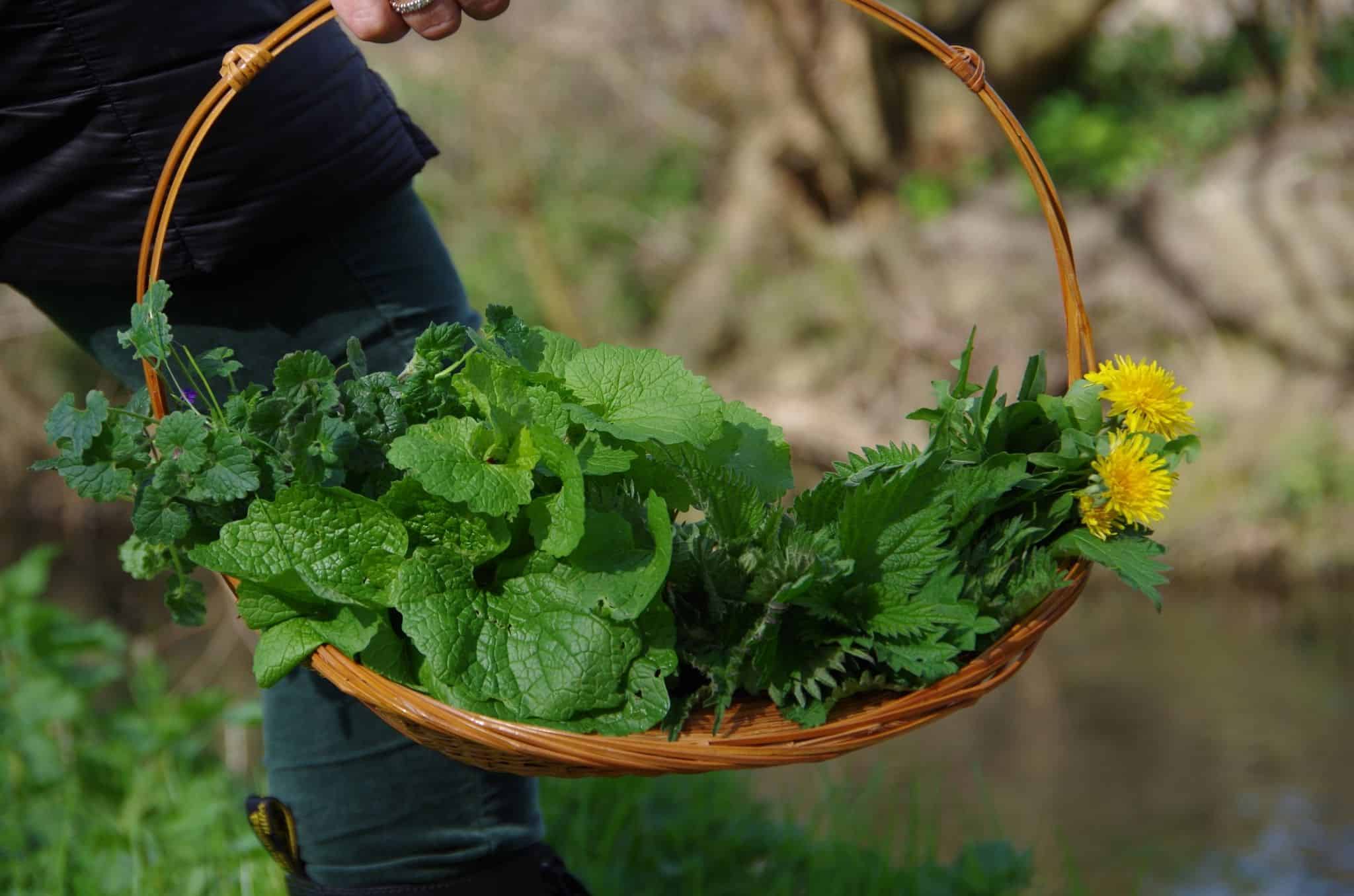
When we look at our lawns and gardens, it’s easy to label certain plants as weeds and rush to pull them out. But many of these so-called weeds are actually vital food sources and habitats for wildlife. Birds, bees, butterflies, and small mammals depend on them far more than we realize. Before reaching for the weed killer, let’s take a closer look at why these humble plants deserve a second chance.🌱 What Are “Weeds,” Really?A weed is simply a plant growing where humans don’t want it. In nature, however, there’s no such thing as a weed. These plants evolved alongside insects and animals, providing nectar, pollen, seeds, and shelter long before ornamental gardens existed.In fact, many native weeds are far more beneficial to local wildlife than exotic flowers bred mainly for looks.🐝 Why Wildlife Depends on “Weeds”🌸 1. Essential Food for PollinatorsBees, butterflies, and other pollinators rely on a continuous supply of nectar and pollen. Many weeds bloom early in spring or late in fall—times when garden flowers are scarce.Early blooms help bees survive after winterLate blooms support migrating butterfliesNative plants are easier for native insects to useWithout these plants, pollinators struggle to survive.🐦 2. Seeds That Feed BirdsWhat looks like an untidy seed head to us is a buffet for birds.Finches, sparrows, and chickadees rely on wild seedsSeed-producing weeds provide food through winterBirds also use dried stems for perching and nestingRemoving all weeds can mean removing a major food source.🐛 3. Host Plants for CaterpillarsButterflies don’t just need nectar—they need host plants where they can lay eggs. Many caterpillars can only eat specific native plants, which are often labeled as weeds.No host plants = no caterpillarsNo caterpillars = no butterfliesSimple as that.🌼 Common “Weeds” That Are Wildlife Heroes🌿 DandelionOften hated, but incredibly valuable:One of the first food sources for bees in springLeaves feed rabbits and deerSeeds are eaten by birds🌿 CloverFixes nitrogen in the soilProvides nectar for beesServes as ground cover that prevents erosion🌿 PlantainHost plant for butterfliesSeeds feed birdsLeaves are eaten by small mammals🌿 MilkweedEssential for monarch butterfliesNectar-rich flowers for pollinatorsSeed fluff used by birds for nesting🌍 Weeds and BiodiversityA perfectly manicured lawn might look neat, but it’s often a biological desert. Allowing a mix of native plants—even a few weeds—creates a small ecosystem that supports:InsectsBirdsFrogs and reptilesSoil microbesMore plant diversity = more life.🚫 The Problem with Removing All WeedsHerbicides can harm bees and butterfliesRemoving weeds reduces food availabilityBare soil leads to erosion and nutrient lossWildlife has fewer places to hide and nestA “clean” garden often comes at the cost of nature.🌿 How to Garden with Wildlife in Mind (Practical Tips)✅ 1. Learn Before You PullIdentify plants before removing them. Some weeds are invasive and should be controlled, but many natives are beneficial.✅ 2. Leave a Wild CornerDesignate a small area of your yard where plants can grow freely. Wildlife will find it quickly.✅ 3. Mow Less OftenLet flowering weeds bloom before mowing. Even waiting a week or two can make a big difference for pollinators.✅ 4. Skip ChemicalsAvoid herbicides and pesticides. Healthy ecosystems balance themselves naturally.✅ 5. Mix Native Plants with OrnamentalsYou don’t have to choose between beauty and nature—combine both.🦋 A Shift in PerspectiveWhat if we stopped asking, “Does this plant belong here?” and started asking, “Who does this plant help?”That small change in mindset can turn your garden into a refuge for wildlife.🌼 Conclusion: Let Nature DecideNot all weeds should be allowed to spread unchecked—but many deserve respect, not removal. These plants are food, shelter, and survival tools for wildlife that share our spaces.By tolerating a few wild plants, you’re not neglecting your garden—you’re supporting life. The bees will buzz, the birds will sing, and your garden will become part of something much bigger.Sometimes, the most powerful thing we can do is simply let nature grow 🌿🐝🐦