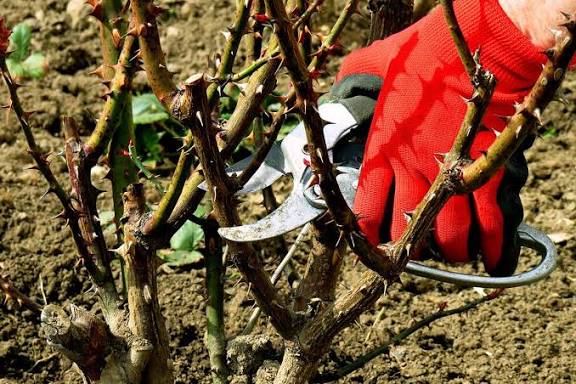
Rose pruning can feel intimidating—even for experienced gardeners. Cut too much, and you worry about losing blooms. Cut too little, and your rose bush turns into a tangled, woody mess with fewer flowers. The truth is, pruning is not about perfection; it’s about understanding how roses grow and guiding that growth in a healthy direction.The Art of Rose Pruning: 7 Steps for Healthy Blooms is designed to remove the mystery and give you confidence. When done correctly, pruning encourages vigorous new growth, improves air circulation, reduces disease, and results in larger, more abundant blooms. Whether you garden in the United States, the United Kingdom, or Canada, these principles apply across climates—with minor timing adjustments.Let’s break rose pruning down into clear, manageable steps that actually work.Why Rose Pruning MattersPruning isn’t just cosmetic. It directly affects the health and flowering performance of your roses.Proper pruning helps to:Stimulate strong new canesIncrease flower size and quantityPrevent fungal diseases like black spot and mildewShape the plant for better sunlight exposureExtend the blooming seasonWithout pruning, roses often become woody, crowded, and less productive over time.When Is the Best Time to Prune Roses?General Timing GuidelinesCold climates (Canada, northern US, parts of the UK): Late winter to early spring, just as buds begin to swellMild climates: Late winterWarm climates: Early spring or even late winterA reliable rule of thumb is to prune when the plant is dormant but about to wake up. Many gardeners use natural cues—like when forsythia blooms—to signal pruning time.Step 1: Start With Clean, Sharp ToolsBefore you make a single cut, prepare your tools.What You’ll NeedSharp bypass prunersLoppers for thick canesGloves (preferably thorn-resistant)Disinfectant (alcohol or diluted bleach)Clean tools prevent the spread of disease between plants and ensure clean cuts that heal quickly.Step 2: Remove Dead, Diseased, and Damaged WoodThis is always the first and most important pruning step.What to Look ForDead canes (brown, dry, brittle)Diseased wood (blackened, spotted, or shriveled)Damaged or broken branchesCut these canes back to healthy tissue—look for green or white centers inside the stem. Removing unhealthy growth redirects energy to productive canes.Step 3: Cut Out Crossing and Inward-Growing CanesRoses thrive with good airflow and sunlight.Why This MattersCrossing canes rub against each other, creating woundsInward-growing branches crowd the centerPoor airflow increases disease riskAim for an open, vase-shaped structure where the center of the plant is clear. This shape allows light to reach all parts of the rose bush.Step 4: Reduce Height and Shape the PlantNow it’s time to control size and structure.General Height GuidelinesHybrid teas and floribundas: Reduce by about one-third to one-halfShrub roses: Light shaping, not heavy pruningClimbing roses: Minimal cutting—focus on training, not shorteningMake each cut about ¼ inch above an outward-facing bud at a 45-degree angle. This encourages growth outward rather than into the center.Step 5: Focus on Strong CanesNot all canes are equal.What to KeepThick, healthy, pencil-width or larger canesCanes with smooth green barkWhat to RemoveThin, spindly growthWeak shoots that won’t support bloomsStrong canes produce stronger flowers. Thinning weak growth improves overall plant performance and bloom quality.Step 6: Seal, Feed, and Clean UpAfter pruning, give your roses a clean slate.Post-Pruning CareRemove all fallen leaves and cuttings from the groundDispose of debris (don’t compost diseased material)Apply mulch to regulate soil temperature and retain moistureFeeding roses after pruning with a balanced rose fertilizer supports vigorous new growth and sets the stage for healthy blooms.Step 7: Adjust Pruning by Rose TypeNot all roses should be pruned the same way.Common Rose Types and TipsHybrid Tea Roses: Heavy annual pruning for large bloomsFloribunda Roses: Moderate pruning for continuous floweringShrub Roses: Light shaping; remove old wood graduallyClimbing Roses: Prune after flowering; focus on training canes horizontallyMiniature Roses: Gentle pruning, similar to floribundasUnderstanding your rose type ensures you prune with intention, not guesswork.Common Rose Pruning Mistakes to AvoidEven well-meaning gardeners can make these errors:Pruning too early during a warm spellLeaving dull, jagged cutsCutting too close or too far from budsOver-pruning young plantsIgnoring plant shape and airflowAvoiding these mistakes helps roses recover faster and bloom more reliably.Practical Tips for Healthier BloomsAlways prune on a dry day to reduce disease spreadStep back frequently to assess plant shapeDon’t be afraid to prune—roses are resilientKeep notes year to year to refine your techniqueIf unsure, prune lightly; you can always cut more laterPruning confidence comes with practice, not perfection.How Pruning Improves Bloom QualityProper pruning directs energy into fewer, stronger canes, which leads to:Bigger flowersLonger stems (great for cutting)More consistent blooming cyclesHealthier foliageThis is why The Art of Rose Pruning: 7 Steps for Healthy Blooms is as much about flower quality as plant health.ConclusionRose pruning doesn’t have to be complicated or intimidating. When you follow The Art of Rose Pruning: 7 Steps for Healthy Blooms, you’re working with the plant instead of against it. Each cut has a purpose: improving airflow, encouraging new growth, and supporting abundant flowering.Whether you’re tending roses in a small backyard garden, a balcony container, or a full rose bed, these principles apply across the US, UK, and Canada. With clean tools, thoughtful cuts, and a little confidence, your roses will reward you with healthier plants and spectacular blooms season after season.🌹 Happy pruning—and even happier blooming!