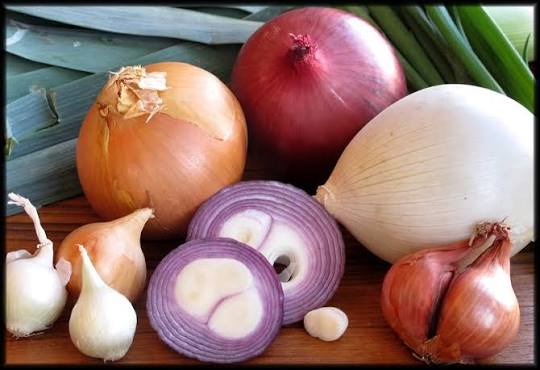
Onions are one of the most essential ingredients in kitchens around the world. From comforting soups and hearty casseroles to fresh salads and gourmet sauces, choosing the perfect onion for every recipe can make a huge difference in flavor, texture, and overall cooking success. While many people think all onions taste the same, there are actually several varieties—each suited to specific dishes and cooking methods.Understanding how to select the right onion helps home cooks across the United States, the United Kingdom, and Canada elevate their meals with ease. Some onions are naturally sweet and perfect for raw preparations, while others develop deep richness when caramelized or roasted. In this guide, you’ll learn practical tips for choosing the perfect onion for every recipe, explore the most common onion types, and discover how to use them effectively in everyday cooking.Why Choosing the Right Onion MattersThe type of onion you use can completely change the outcome of a dish. A sharp onion might overpower a delicate salad, while a mild onion could lack depth in a slow-cooked stew. Selecting the right variety ensures balanced flavors and better texture.Flavor DifferencesOnions range from sweet and mild to strong and pungent. The right choice depends on whether your dish needs bold flavor, subtle sweetness, or a crisp bite.Cooking MethodsSome onions are ideal for raw dishes, while others shine when sautéed, grilled, or caramelized. Understanding these differences is key to choosing the perfect onion for every recipe.Common Types of Onions and Their Best UsesYellow Onions: The All-Purpose ClassicYellow onions are the most versatile and widely used variety. They have a balanced flavor that becomes sweet and rich when cooked, making them ideal for soups, stews, sauces, and roasted dishes.Best uses:French onion soupBeef stews and casserolesCaramelized onion recipesRoasted vegetable mixesIf you’re unsure which onion to use, yellow onions are a safe and reliable choice.Red Onions: Crisp and ColorfulRed onions have a slightly sharp flavor and a beautiful purple hue that adds visual appeal to dishes. They’re commonly used raw because they provide a pleasant crunch and mild bite.Best uses:Salads and sandwichesSalsas and guacamolePickled onionsFresh toppings for burgers or tacosSoaking sliced red onions in cold water can reduce their sharpness for milder dishes.White Onions: Clean and Sharp FlavorWhite onions offer a brighter, more pungent taste compared to yellow onions. They’re popular in many North American and Mexican-inspired recipes where a clean onion flavor is desired.Best uses:Salsa and pico de galloStir-friesTacos and fajitasLight saucesThey cook quickly and provide a crisp, fresh taste.Sweet Onions: Mild and Naturally SugarySweet onions such as Vidalia, Walla Walla, or Spanish onions have higher sugar content and lower sulfur levels, resulting in a gentle flavor.Best uses:Onion ringsGrilled onion slicesRaw saladsCaramelized onionsTheir mildness makes them perfect for dishes where onion flavor should be present but not overwhelming.Shallots: Elegant and SubtleThough technically different from traditional onions, shallots are often included in onion-based recipes. They have a delicate, slightly sweet flavor with a hint of garlic.Best uses:Salad dressingsGourmet saucesSeafood dishesFine dining recipesShallots add sophistication without overpowering other ingredients.Tips for Choosing the Perfect Onion for Every RecipeMatch Onion Strength to Dish TypeUse sweet or red onions for raw dishes.Choose yellow onions for long cooking methods.Select white onions for fresh, bright flavors.Matching onion intensity to the dish ensures balanced results.Consider Texture and Cooking TimeSome onions hold their shape during cooking, while others soften quickly. For slow-cooked meals like stews, yellow onions provide structure and depth.Think About Color and PresentationRed onions add vibrant color to salads and toppings, while white onions blend seamlessly into light sauces.Check Freshness When BuyingLook for onions that are:Firm and heavy for their sizeFree from soft spots or moldDry with intact outer skinsFresh onions provide the best flavor and storage life.Choose the Right SizeLarge onions work well for slicing and caramelizing, while smaller onions are ideal for roasting whole or using in garnishes.Practical Storage TipsSelecting the perfect onion is only part of the process—proper storage also helps maintain flavor and freshness.Store whole onions in a cool, dry, and well-ventilated area.Avoid refrigerating whole onions, as moisture can cause spoilage.Keep cut onions wrapped and refrigerated, using them within a few days.Store sweet onions separately because they have higher moisture content and shorter shelf life.Good storage practices ensure your onions remain ready for any recipe.Common Mistakes to AvoidUsing the Same Onion for Every DishWhile yellow onions are versatile, certain recipes benefit from more specific varieties.Overpowering Delicate RecipesStrong onions can overwhelm subtle ingredients like seafood or fresh herbs.Ignoring Cooking MethodsRaw dishes require milder onions, while hearty cooked meals can handle stronger flavors.Not Adjusting for SweetnessSweet onions caramelize faster, so watch cooking times carefully.Creative Ways to Experiment with OnionsOnce you understand how to choose the perfect onion for every recipe, you can start experimenting with new techniques:Try quick-pickling red onions for sandwiches and salads.Roast whole sweet onions for a naturally caramelized side dish.Blend sautéed onions into sauces for deeper flavor.Combine multiple onion types in soups for complexity.Exploring different onion varieties can elevate even simple meals.ConclusionLearning how to choose the perfect onion for every recipe is a simple yet powerful skill that can dramatically improve your cooking. Each onion variety—yellow, red, white, sweet, or shallots—brings its own unique flavor, texture, and culinary purpose.By matching the right onion to your dish, considering cooking methods, and following practical tips for freshness and storage, you can create meals that are more balanced, flavorful, and visually appealing. Whether you’re preparing a fresh summer salad, a comforting stew, or a gourmet sauce, the right onion can make all the difference.With these tips in mind, you’ll be ready to select the ideal onion for any recipe—transforming everyday dishes into delicious, memorable meals that everyone will enjoy. 🌟🧅