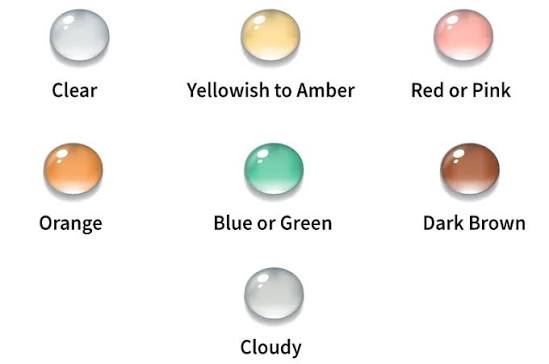
Urine might not be a topic you discuss at dinner, but it can reveal a lot about your health. The color of your urine can provide important clues about hydration, diet, medications, and even underlying medical conditions. While many people think urine should always be pale yellow, variations in color are completely normal and often harmless.In this article, we’ll explore what different urine colors can indicate, practical tips for maintaining healthy urine, and when to consult a healthcare professional. Understanding these signs can help you take better care of your body and catch potential health issues early.Why Urine Color MattersUrine is primarily composed of water, but it also contains waste products like urea, creatinine, and other compounds filtered by the kidneys. The color comes mainly from urochrome, a pigment formed from the breakdown of hemoglobin.Changes in color can occur due to:Hydration levels – The more water you drink, the lighter your urine.Diet – Foods like beets or asparagus can temporarily change urine color.Medications and supplements – Certain vitamins and medications can alter urine color.Health conditions – Urine color may reflect liver, kidney, or urinary tract issues.Monitoring urine color can be a simple, early indicator of overall health.Understanding Different Urine ColorsH2: Pale Yellow to TransparentMeaning: Well-hydrated and healthy.Tips: Maintain water intake throughout the day to keep urine light yellow.Notes: Clear urine may indicate overhydration but is usually safe.H2: Dark Yellow or AmberMeaning: Mild dehydration.Tips: Drink more water or hydrating beverages.Notes: Vitamins, especially B-complex supplements, can also cause darker yellow urine.H2: OrangeMeaning: Could indicate dehydration, liver or bile duct issues, or medication effects.Tips: Increase water intake. If persistent, consult a healthcare provider.Causes: Certain medications like rifampin or phenazopyridine, or high doses of vitamin C.H2: Red or PinkMeaning: Could be harmless (from foods like beets or berries) or a sign of blood in the urine (hematuria).Tips: If food or medication isn’t the cause, seek medical advice promptly.Notes: Blood in urine may indicate kidney stones, infections, or more serious conditions like kidney disease.H2: BrownMeaning: Could result from dehydration, liver issues, or certain foods and medications.Tips: Stay hydrated and consult a doctor if persistent.Causes: Liver disease, severe dehydration, or rhubarb consumption.H2: Blue or GreenMeaning: Rare, usually caused by food dyes, medications, or urinary tract infections.Tips: Identify potential dietary or medication causes. Seek medical advice if color persists.Notes: Certain medications, like propofol, can cause green urine.H2: Cloudy or FoamyMeaning: May indicate urinary tract infections, kidney issues, or excess protein.Tips: Monitor for other symptoms such as pain or frequent urination. Consult a doctor if persistent.Practical Tips for Healthy UrineStay HydratedDrink at least 6–8 glasses of water daily, more if you are physically active or in a hot climate.Monitor DietBeets, blackberries, asparagus, and food dyes can temporarily change urine color.Review Medications and SupplementsVitamins, antibiotics, and other medications can alter urine color. Always read labels and consult a healthcare provider if concerned.Watch for SymptomsPain, burning, unusual odor, or frequent urination with color changes warrants medical attention.Maintain Kidney HealthA balanced diet, regular exercise, and avoiding excessive salt and processed foods help support healthy kidney function.When to Seek Medical AttentionWhile most urine color changes are harmless, consult a doctor if you notice:Blood in urine without dietary causePersistent dark, cloudy, or foamy urinePain during urination or frequent urinationAccompanying symptoms like fever, nausea, or fatigueEarly diagnosis can prevent complications related to kidney disease, urinary tract infections, or liver issues.The TakeawayYour urine color is a simple, natural health indicator. From pale yellow showing good hydration to red or brown hinting at possible medical issues, paying attention can help you detect problems early.Key points to remember:Pale yellow = healthy hydrationDark yellow = drink more waterRed or pink = check for bloodOrange or brown = consider dehydration, medications, or liver issuesUnusual colors (blue, green) = often dietary, but investigate if persistentBy monitoring your urine regularly and maintaining healthy habits, you can gain insight into your body’s health and prevent serious conditions.💧 Stay hydrated, stay mindful, and let your urine be your natural health indicator.