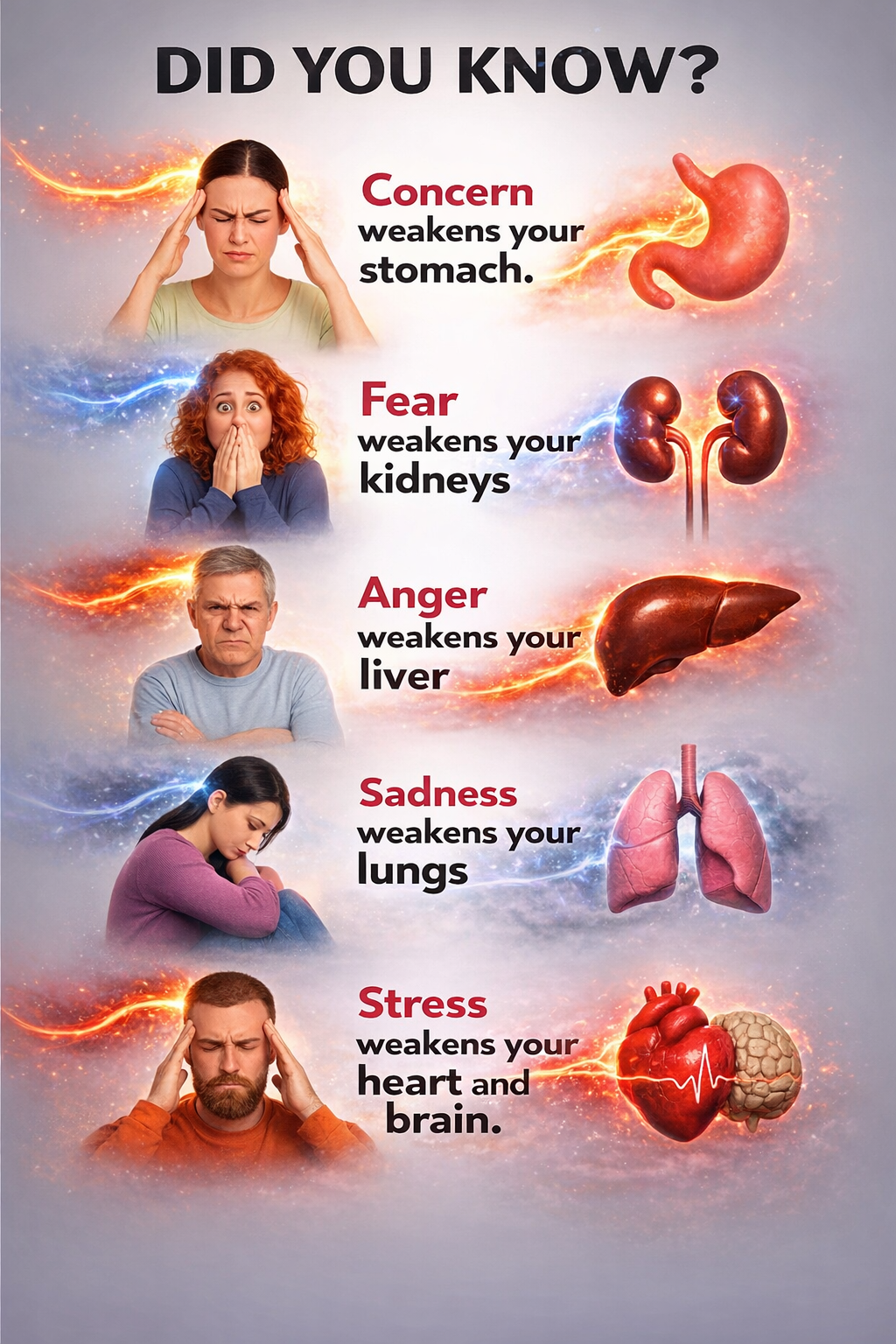
Have you ever noticed how stress tightens your shoulders, sadness drains your energy, or joy makes you feel physically lighter? This is not a coincidence. 💡 Emotions and Body: Everything Is Connected 💡 is more than a catchy phrase—it’s a scientifically supported reality. Our thoughts, feelings, and physical health are deeply intertwined, constantly influencing one another in ways we often overlook.In today’s fast-paced world across the United States, the United Kingdom, and Canada, many people treat mental and physical health as separate issues. But modern research, along with ancient wellness traditions, confirms that emotional well-being directly affects the body, and physical health shapes emotional balance in return. Understanding this connection can help you reduce stress, prevent illness, and live a healthier, more fulfilling life.In this article, we’ll explore how emotions impact the body, how the body influences emotions, and what you can do to restore balance using practical, everyday strategies.💡 Emotions and Body: Everything Is Connected 💡 — Understanding the Mind-Body LinkThe mind-body connection refers to the two-way communication between your emotional state and your physical systems. Your brain doesn’t operate in isolation—it sends signals through nerves, hormones, and chemical messengers that affect every organ.When emotions are processed, the body responds instantly. Chronic emotional patterns—like long-term stress or unresolved anger—can create physical symptoms over time. Likewise, physical discomfort or illness can alter mood, motivation, and emotional resilience.This is why holistic health approaches emphasize treating the whole person rather than isolated symptoms.How Emotions Affect the BodyStress and the Nervous SystemStress is one of the clearest examples of how emotions impact physical health. When you feel stressed, your body enters “fight-or-flight” mode. Heart rate increases, muscles tense, digestion slows, and stress hormones flood your bloodstream.Short-term stress can be helpful, but chronic stress may contribute to:High blood pressureDigestive problemsWeakened immune functionSleep disturbancesOver time, the body begins to wear down under constant emotional pressure.Anxiety and Physical SymptomsAnxiety often shows up physically before we even recognize it emotionally. Common body reactions include:Chest tightnessShortness of breathStomach discomfortMuscle painHeadachesThis is another reminder that 💡 Emotions and Body: Everything Is Connected 💡—the body speaks when emotions are ignored.Sadness, Depression, and FatigueLow mood and depression don’t just affect thoughts; they can slow the body down. People experiencing prolonged sadness may notice:Low energy levelsChanges in appetiteBody achesWeakened immunityEmotional heaviness often translates into physical exhaustion.How the Body Influences EmotionsPhysical Health Shapes Mental Well-BeingThe connection works both ways. Poor nutrition, lack of sleep, and sedentary habits can negatively affect emotional health. For example:Inadequate sleep increases irritability and anxietyNutrient deficiencies may impact mood regulationChronic pain can lead to emotional distressTaking care of the body is essential for emotional stability.Gut Health and EmotionsThe gut is sometimes called the “second brain.” It produces neurotransmitters like serotonin, which plays a key role in mood regulation. Digestive issues can influence emotions, just as emotional stress can disrupt digestion.Maintaining gut health through balanced nutrition and stress management supports both emotional and physical wellness.Emotional Storage in the BodyMany experts believe that unresolved emotions can be “stored” in specific areas of the body. While this idea comes from holistic traditions, modern research increasingly supports the concept that emotional tension manifests physically.Common examples include:Neck and shoulder tension linked to stress or responsibilityLower back pain associated with insecurity or fearJaw clenching connected to suppressed angerListening to bodily signals can help uncover emotional needs.💡 Emotions and Body: Everything Is Connected 💡 in Daily LifeWork Stress and Physical HealthIn high-pressure work cultures common in the US, UK, and Canada, emotional stress often leads to physical burnout. Long hours, constant screen time, and performance pressure can cause:Eye strainPoor postureChronic fatigueEmotional exhaustionRecognizing emotional overload early can prevent physical breakdown.Relationships and the BodyEmotional experiences in relationships—whether supportive or stressful—directly affect the body. Positive emotions can boost immunity and energy, while unresolved conflict may increase stress hormones and inflammation.Healthy emotional expression supports both mental peace and physical vitality.Practical Tips to Balance Emotions and Body1. Practice Mindful AwarenessPay attention to how your body reacts to emotions. Ask yourself:Where do I feel tension?What emotion might be behind this sensation?Mindfulness helps bridge the gap between emotional awareness and physical response.2. Move Your Body RegularlyPhysical movement releases endorphins, which naturally improve mood. Activities like walking, stretching, yoga, or dancing help process emotional stress stored in the body.Even 20 minutes a day can make a noticeable difference.3. Breathe with IntentionDeep breathing calms the nervous system and reduces stress hormones. Try slow, deep breaths when feeling overwhelmed. This simple practice reinforces the truth that 💡 Emotions and Body: Everything Is Connected 💡.4. Prioritize Quality SleepSleep is essential for emotional regulation and physical repair. Create a calming bedtime routine, limit screen exposure at night, and aim for consistent sleep hours.Better sleep equals better emotional balance.5. Nourish Your BodyA balanced diet supports emotional health. Focus on:Whole foodsHydrationRegular mealsWhat you eat influences how you feel—physically and emotionally.6. Express Emotions SafelyBottled-up emotions often show up as physical symptoms. Journaling, talking to trusted friends, or creative expression can release emotional tension before it becomes physical discomfort.7. Listen to Your Body’s SignalsPain, fatigue, and discomfort are not just physical issues—they may be messages. Instead of ignoring symptoms, explore what emotional factors might be involved.Long-Term Benefits of Mind-Body AwarenessWhen you truly embrace the idea that 💡 Emotions and Body: Everything Is Connected 💡, you may experience:Improved stress managementBetter immune functionIncreased energyGreater emotional resilienceEnhanced overall well-beingThis integrated approach leads to a healthier, more balanced lifestyle.ConclusionThe separation between mind and body is an outdated concept. Science and experience now clearly show that 💡 Emotions and Body: Everything Is Connected 💡. Every thought, feeling, and physical sensation is part of a continuous feedback loop shaping your health.By becoming more aware of emotional patterns, listening to your body, and adopting simple daily practices, you can restore balance and prevent long-term issues. Whether you live in the United States, the United Kingdom, or Canada, this understanding empowers you to take control of both emotional and physical well-being.When you honor the connection between emotions and the body, true wellness becomes possible—from the inside out. 🌿