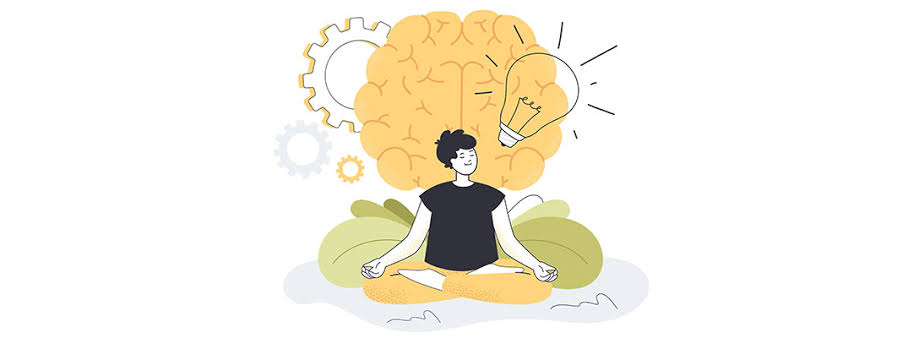
Have you ever felt a tight chest during stress, stomach discomfort when anxious, or sudden fatigue during emotional overwhelm? These experiences are not coincidences. Modern science and ancient wisdom increasingly agree on one powerful truth: 💡 Emotions and Body: Everything Is Connected 💡.Our emotional state directly influences physical health, energy levels, immunity, and even how quickly we heal. Likewise, physical imbalances can affect mood, focus, and emotional resilience. Understanding this deep connection helps us move toward a more holistic, balanced approach to health—one that treats the whole person, not just symptoms.In this article, we’ll explore how emotions impact the body, what science says about the mind–body connection, and practical steps you can take to restore harmony between emotional and physical well-being.Understanding the Mind–Body ConnectionWhat Does “Emotions and Body Are Connected” Really Mean?When we say 💡 Emotions and Body: Everything Is Connected 💡, we mean that emotions are not just “in the mind.” Every feeling—joy, fear, anger, sadness—triggers chemical reactions throughout the body.For example:Stress releases cortisol and adrenalineHappiness boosts dopamine and serotoninFear activates the nervous systemCalmness supports digestion and immunityThese chemical messengers travel through the bloodstream, influencing organs, muscles, digestion, sleep, and even inflammation levels.The Role of the Nervous SystemThe nervous system acts as the bridge between emotions and physical responses. It has two main branches:Sympathetic nervous system – activates “fight or flight”Parasympathetic nervous system – promotes “rest and digest”Chronic emotional stress keeps the body stuck in survival mode, which over time can lead to headaches, digestive issues, high blood pressure, weakened immunity, and chronic fatigue.How Emotions Manifest in the BodyCommon Emotional Patterns and Physical SymptomsWhile everyone experiences emotions differently, research and clinical observation reveal common patterns:Stress and AnxietyTight shoulders and neckDigestive discomfortRapid heartbeatInsomniaAnger and FrustrationJaw clenchingHigh blood pressureHeadachesLiver and gallbladder stress (noted in holistic medicine)Sadness and GriefChest heavinessLow energyWeak immune responseShortness of breathFearCold hands and feetLower back tensionDigestive slowdownThese patterns reinforce the idea that emotional health and physical health are inseparable.Scientific Evidence Supporting the ConnectionNumerous studies in psychoneuroimmunology show that emotional states influence immune function. Chronic stress has been linked to:Increased inflammationSlower wound healingHigher risk of cardiovascular diseaseGreater susceptibility to infectionsThis growing body of research supports what holistic traditions have long believed: 💡 Emotions and Body: Everything Is Connected 💡.Emotional Suppression and Its Physical CostWhy Ignoring Emotions Can Make You SickIn many Western cultures, people are encouraged to “stay strong” and suppress emotions. However, unexpressed emotions don’t disappear—they settle into the body.Long-term emotional suppression may contribute to:Chronic pain conditionsAutoimmune disordersDigestive problemsHormonal imbalancesYour body often becomes the messenger when emotions are ignored.Trauma and the BodyTrauma is stored not only in memory but also in muscle tension, posture, and nervous system patterns. This explains why body-based therapies such as somatic therapy, yoga, and breathwork are increasingly recommended alongside traditional talk therapy.Healing Through Emotional AwarenessThe Power of Emotional LiteracyEmotional literacy—the ability to identify, understand, and express emotions—plays a major role in physical well-being.Benefits include:Reduced stress responseBetter sleep qualityImproved digestionStronger immune functionSimply naming an emotion (“I feel anxious” instead of “I feel bad”) can reduce its physical impact.Mindfulness and Body AwarenessMindfulness helps reconnect emotions and bodily sensations. Practices like meditation, body scans, and slow breathing activate the parasympathetic nervous system, encouraging healing.Even 10 minutes a day can:Lower cortisol levelsReduce muscle tensionImprove emotional regulationPractical Tips to Balance Emotions and the Body1. Listen to Your Body’s SignalsPain, tension, and fatigue are not enemies—they are messages. Ask:What emotion might be present?When did this symptom begin?What was happening emotionally at that time?2. Practice Daily Stress ReleaseTry one or more of the following:Deep belly breathingGentle stretchingWalking in natureJournaling emotionsThese practices help prevent emotional buildup in the body.3. Move Your Body With IntentionMovement helps process emotions physically. Yoga, tai chi, dancing, or even light exercise can release stored emotional tension.4. Support Gut HealthThe gut is often called the “second brain.” A healthy gut supports emotional balance through the gut-brain axis.Focus on:Fiber-rich foodsProbioticsReducing ultra-processed foods5. Prioritize Rest and SleepSleep is when emotional and physical repair happens. Poor sleep intensifies emotional reactivity and physical pain.Aim for:Consistent sleep schedulesReduced screen time before bedA calm nighttime routine6. Seek Holistic Support When NeededTherapies that address both emotional and physical health include:Cognitive Behavioral Therapy (CBT)Somatic therapyAcupunctureMassage therapyMind–body coachingCultural Relevance in Western CountriesIn the US, UK, and Canada, healthcare systems are increasingly recognizing integrative approaches. Mental health awareness campaigns, workplace wellness programs, and stress management initiatives all reflect the growing acceptance that emotions and physical health are deeply linked.As stress-related illnesses continue to rise, understanding that 💡 Emotions and Body: Everything Is Connected 💡 is more important than ever.ConclusionThe connection between emotions and the body is not a theory—it’s a lived experience supported by science, medicine, and everyday observation. When emotions are acknowledged, processed, and respected, the body responds with greater balance and resilience.By listening to your body, managing stress, nurturing emotional awareness, and embracing holistic practices, you empower yourself to heal from the inside out.Remember: 💡 Emotions and Body: Everything Is Connected 💡. When you care for one, you strengthen the other—and move closer to lasting health and well-being.