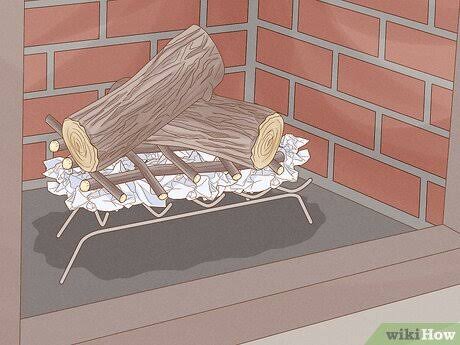
A fireplace is more than just a cozy centerpiece—it’s a combination of design, engineering, and safety features. Understanding how it works, how to maintain it, and the different types available can help homeowners enjoy warmth, style, and safety all year round. This guide breaks down the essentials of your fireplace step by step.🔥 Types of Fireplaces1️⃣ Wood-Burning FireplacesTraditional style using logs for heat.Pros: Authentic ambiance, strong heat, crackling sound.Cons: Requires regular cleaning, smoke management, and wood storage.2️⃣ Gas FireplacesFueled by natural gas or propane.Pros: Easy to operate, minimal maintenance, instant heat.Cons: Requires gas hookup, slightly less authentic feel.3️⃣ Electric FireplacesPowered by electricity, often with flame simulation.Pros: Safe, no venting needed, can be installed anywhere.Cons: Less heat output, artificial flame effect.🏗️ Main Components of a FireplaceUnderstanding the parts helps in safe operation and maintenance:Firebox: The area where the fire burns.Hearth: The floor in front of the fireplace, often extended for safety.Chimney/Flue: Channels smoke and gases out of your home.Damper: A metal plate that can open or close the flue to control airflow.Mantel: Decorative shelf above the fireplace; purely aesthetic.Fireplace Doors or Screens: Protects from sparks and embers.🔍 Step-by-Step UseStep 1: InspectCheck the damper is open before lighting a fire.Ensure there are no obstructions in the flue.Clean the hearth and remove old ashes if using a wood fireplace.Step 2: Prepare the FireFor wood: stack logs with kindling in a crisscross pattern.For gas: ensure the pilot light is on.For electric: plug in and test controls.Step 3: Light and MaintainLight safely using matches, lighters, or ignition controls.Adjust airflow for proper combustion and heat efficiency.Never leave a fire unattended.Step 4: Extinguish and CleanWood: allow ashes to cool before disposing.Gas: turn off the gas valve.Electric: switch off and unplug if necessary.🌿 Safety TipsKeep flammable items away from the fireplace.Install smoke and carbon monoxide detectors.Clean chimneys annually for wood or gas units.Use fireplace screens or doors to prevent sparks.Supervise children and pets around the fireplace.🌟 Maintenance ChecklistWeekly: Remove ashes and clean hearth.Monthly: Inspect gas connections or electrical cords.Annually: Professional chimney sweep and flue inspection.🏡 Enhancing Your FireplaceAdd decorative logs, stones, or tiles for visual appeal.Install a mantel for display items.Consider a built-in heat blower for better warmth distribution.Use firewood storage solutions that are both functional and decorative.🔥 ConclusionA fireplace is both functional and aesthetic, adding warmth, comfort, and style to any home. By understanding the types, parts, operation steps, and safety precautions step by step, you can enjoy your fireplace worry-free while maximizing its efficiency and longevity.Proper maintenance, safe operation, and occasional upgrades ensure your fireplace remains a centerpiece of both heat and home ambiance for years to come.