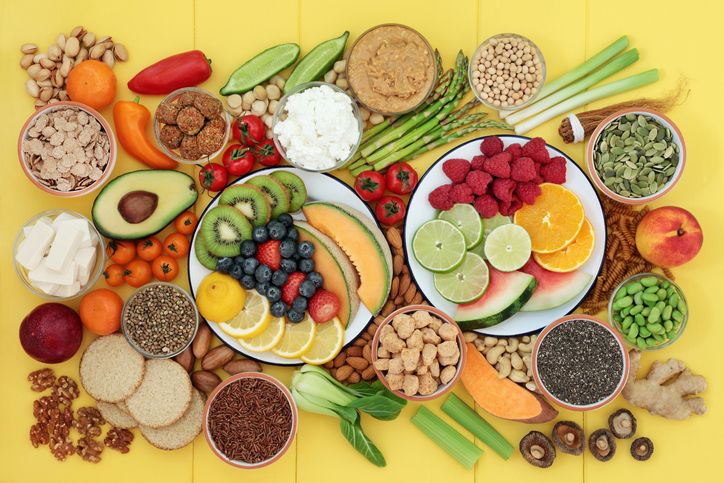
Food is more than just fuel—it’s a combination of nutrients, flavors, and sometimes surprising science! Learning simple food facts can help you eat healthier, store food smarter, and even reduce waste. Here’s a collection of practical, fun, and useful food facts about fruits, vegetables, and everyday ingredients.Fruits: Nature’s Sweet Treats🍌 BananasBananas are naturally high in potassium, which supports heart health and muscle function.Slightly green bananas have more resistant starch, which acts like fiber and can aid digestion.Bananas release ethylene gas, which can speed up the ripening of nearby fruits.🍎 ApplesApples are rich in fiber, particularly soluble fiber, which can help lower cholesterol.Storing apples in the fridge can extend their freshness by several weeks.The phrase “an apple a day keeps the doctor away” is partly true: apples provide vitamins, antioxidants, and hydration.🍓 StrawberriesStrawberries contain more vitamin C per gram than oranges.They are also high in antioxidants called polyphenols, which support heart health.Wash strawberries only before eating to prevent them from getting mushy.🍊 OrangesOranges are a great source of vitamin C, which supports the immune system.The white pith is packed with fiber and antioxidants—don’t peel it all off!Freshly squeezed juice loses vitamin C quickly, so consume soon after squeezing.Vegetables: Nutrient Powerhouses🥦 BroccoliBroccoli contains sulforaphane, a compound linked to cancer prevention in some studies.Light steaming retains more nutrients than boiling or microwaving.Both the stalk and florets are edible and nutritious—don’t throw away the stems!🥕 CarrotsCarrots are rich in beta-carotene, which converts to vitamin A in the body.Eating carrots improves eye health and may support skin health.Baby carrots are peeled and shaped from larger carrots—they’re not naturally “baby-sized.”🥒 CucumbersCucumbers are 95% water, making them hydrating and low in calories.Leaving the skin on preserves most of the fiber and antioxidants.Cucumbers contain cucurbitacins, compounds with potential anti-inflammatory properties.🥔 PotatoesPotatoes are a good source of vitamin C, potassium, and fiber (with skin on).Boiling potatoes retains more vitamin C than frying.Sweet potatoes have more vitamin A and antioxidants than regular potatoes.Interesting Food Storage FactsTomatoes: Store at room temperature to retain flavor; refrigeration can make them mealy.Garlic: Keep in a cool, dry place to prevent sprouting.Herbs: Wrap in a damp paper towel and refrigerate in a ziplock bag to last longer.Leafy Greens: Wash only before use, not before storing, to prevent rot.Fun Food FactsWatermelon is 92% water, making it refreshing and hydrating in summer.Honey never spoils due to its natural antibacterial properties.Pineapple contains bromelain, an enzyme that helps break down protein—great for digestion and tenderizing meat.Avocado ripens faster in a brown paper bag because of ethylene gas, similar to bananas.Food and Health ConnectionsEating a variety of colors in fruits and vegetables ensures a broader range of vitamins and antioxidants.Fiber-rich foods like apples, carrots, and broccoli support digestion and reduce cholesterol.Cruciferous vegetables like broccoli, cauliflower, and cabbage contain compounds that support detoxification.Hydrating foods such as cucumbers, watermelon, and oranges contribute to daily water intake.Tips for Using Food WiselyPlan meals around seasonal produce: fresher, cheaper, and more nutritious.Freeze extras: fruits like berries and vegetables like peas freeze well for smoothies or soups.Use peels and stems: Carrot tops, broccoli stems, and apple peels can be used in soups, smoothies, or compost.Mind ripening patterns: Keep bananas and apples together to ripen fruits faster.ConclusionUnderstanding useful food facts can improve your health, reduce waste, and make you a smarter shopper. Simple knowledge like storing fruits properly, eating a variety of colors, and knowing which parts of vegetables are edible can make a big difference.Next time you snack on a banana 🍌, bite into a juicy apple 🍎, or enjoy a crisp cucumber 🥒, remember—you’re not just eating; you’re fueling your body with science-backed nutrients!