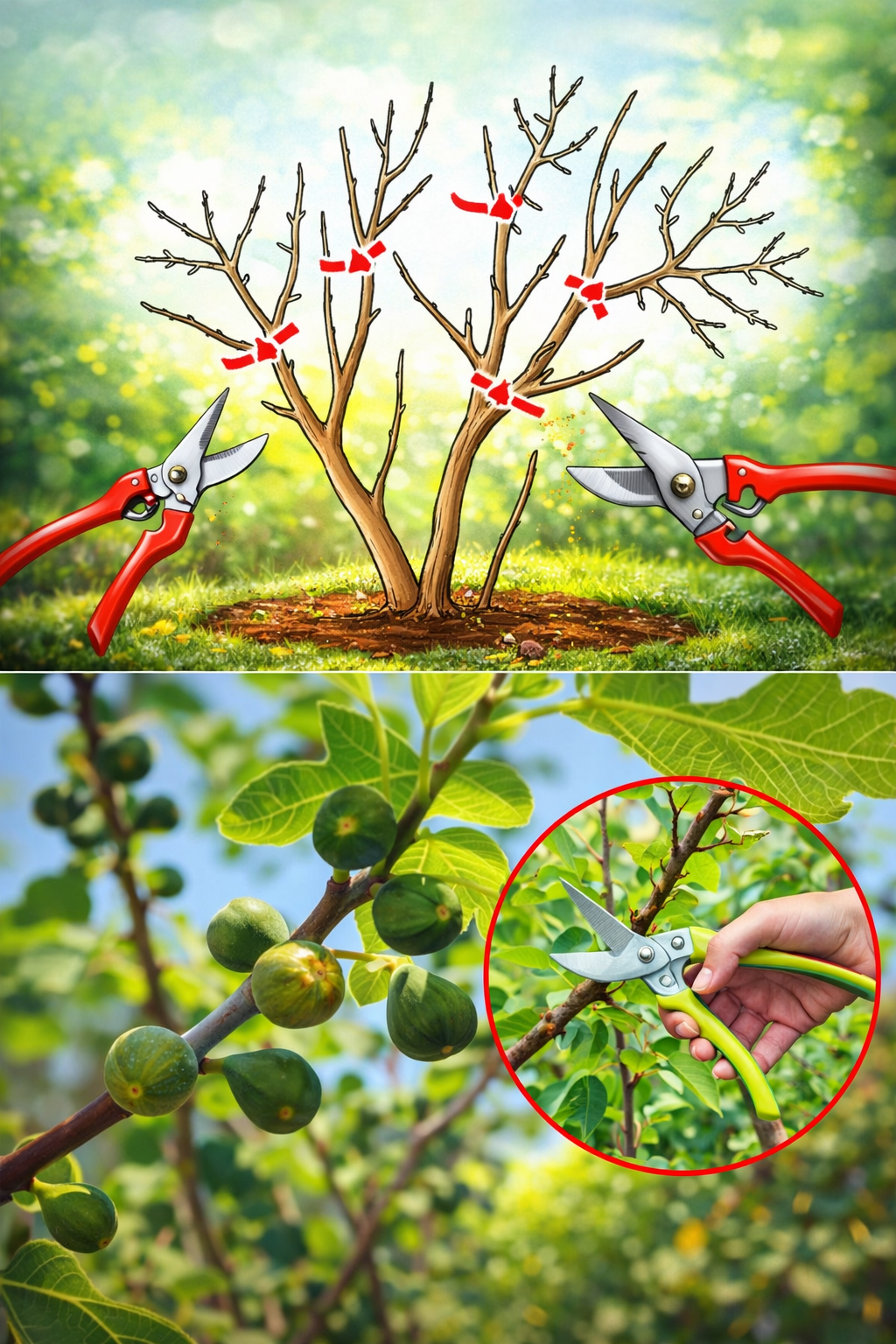
🍇🌳 Pruning Fig Trees for High Production 🌳🍇 is one of the most important skills gardeners can learn to ensure strong growth, abundant fruit, and manageable tree size. Fig trees are beloved for their sweet, nutrient-rich fruit and their ability to thrive in a wide range of climates—from warm regions of the United States to sheltered gardens in the UK and temperate areas of Canada.While fig trees are relatively low-maintenance, strategic pruning helps direct the tree’s energy into fruit production rather than excessive leafy growth. Proper pruning also improves air circulation, reduces disease risk, and makes harvesting easier.In this comprehensive guide, you’ll learn when and how to prune fig trees for maximum production, common mistakes to avoid, and practical tips to keep your trees healthy year after year.Why 🍇🌳 Pruning Fig Trees for High Production 🌳🍇 MattersEncourages Strong Fruit ProductionPruning helps focus the tree’s energy on developing high-quality figs instead of producing too many weak branches. By removing excess growth, you encourage the development of productive fruiting wood.Improves Airflow and SunlightDense branches can block sunlight and trap moisture, creating conditions for fungal diseases. Strategic pruning opens up the canopy, allowing light and air to reach all parts of the tree.Keeps Trees ManageableFig trees can grow large quickly. Regular pruning keeps them at a practical height for harvesting and maintenance, especially in smaller gardens or container settings.Understanding Fig Tree GrowthOld Wood vs. New WoodMany fig varieties produce fruit on new growth that emerges in spring. This means careful pruning encourages fresh shoots that will bear fruit later in the season.Seasonal Growth PatternsLate Winter/Early Spring: Dormant period—best time for major pruningSpring/Summer: Active growth—light trimming onlyAutumn: Minimal pruning to avoid cold damageUnderstanding these cycles helps prevent over-pruning or accidental removal of fruiting branches.When to Prune Fig TreesLate Winter or Early SpringThe ideal time for 🍇🌳 Pruning Fig Trees for High Production 🌳🍇 is when the tree is dormant but before new growth begins. In the US and Canada, this is typically February to March; in the UK, late February or early March is common.Summer Maintenance PruningLight trimming during summer can help shape the tree and remove dead or overcrowded branches without stressing the plant.Avoid Heavy Autumn PruningPruning too late in the season can encourage new growth that may be damaged by frost, especially in cooler climates.Step-by-Step Guide to 🍇🌳 Pruning Fig Trees for High Production 🌳🍇Step 1: Gather the Right ToolsSharp pruning shearsLoppers for thicker branchesGardening glovesDisinfectant to clean tools between cutsStep 2: Remove Dead or Diseased WoodStart by cutting away branches that are broken, damaged, or showing signs of disease. This improves tree health immediately.Step 3: Thin Out Crowded BranchesIdentify areas where branches cross or rub against each other. Removing some of these opens the canopy and improves airflow.Step 4: Shape the TreeAim for an open, vase-like structure with several strong main branches. This shape maximizes sunlight exposure and fruit production.Step 5: Cut Back Excess GrowthReduce overly long branches by about one-third to encourage new shoots and maintain manageable tree size.Different Pruning StylesOpen-Center PruningCommon for backyard gardeners, this method keeps the middle of the tree open to sunlight and airflow.Bush-Style PruningPopular in colder climates like Canada and parts of the UK, this method keeps trees smaller and easier to protect during winter.Container Fig Tree PruningFor potted figs, focus on maintaining compact growth and removing weak or crowded stems.Practical Tips for High Fig ProductionDon’t OverpruneRemoving too much wood at once can reduce fruit production temporarily. Aim for gradual shaping over several seasons.Encourage New ShootsSince many figs grow on new wood, promote fresh growth by trimming older branches strategically.Fertilize ModeratelyExcess fertilizer encourages leafy growth rather than fruit production. Use balanced fertilizers sparingly.Water ConsistentlyFigs tolerate drought but produce better fruit with regular watering during active growth.Monitor for Pests and DiseaseCheck leaves and branches regularly for signs of stress or infestation, especially after pruning.Climate Considerations for the US, UK, and CanadaUnited StatesIn warmer regions, figs can grow vigorously and require more frequent pruning. In colder northern states, protect trees from harsh winter conditions.United KingdomPlant figs in sheltered, sunny locations—often against walls—to help them thrive. Light but regular pruning helps control size in smaller gardens.CanadaGrow cold-hardy varieties and consider bush-style pruning to make winter protection easier.Common Mistakes to AvoidPruning at the wrong time: Can reduce fruiting potential.Using dull tools: Causes ragged cuts and increases disease risk.Removing too much at once: Stresses the tree.Ignoring tree structure: Leads to overcrowded branches and poor airflow.Avoiding these mistakes helps ensure your fig tree remains productive and healthy.Conclusion🍇🌳 Pruning Fig Trees for High Production 🌳🍇 is a valuable gardening skill that leads to healthier trees, better airflow, and more abundant harvests. With the right timing, proper techniques, and consistent maintenance, fig trees can reward gardeners with delicious fruit season after season.Whether you’re growing figs in a backyard orchard in the United States, a sunny UK garden, or a protected Canadian landscape, thoughtful pruning makes a noticeable difference. By following practical tips, understanding growth patterns, and avoiding common mistakes, you can confidently shape your fig trees for maximum productivity and long-term health.So grab your pruning shears, take a careful look at your tree’s structure, and enjoy the satisfaction of nurturing a thriving fig tree that produces sweet, flavorful fruit year after year.