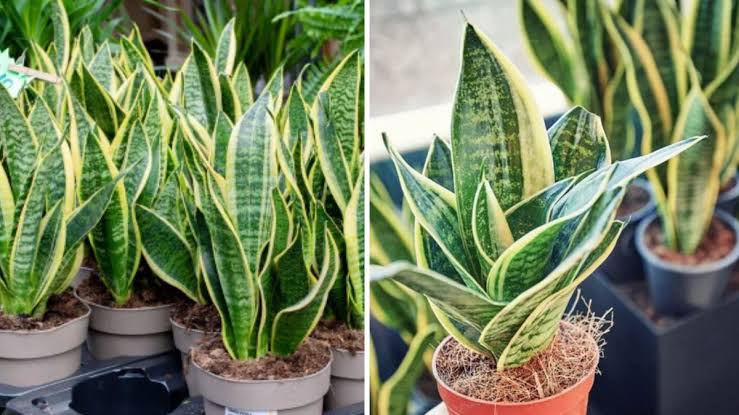
Sansevieria, commonly known as the snake plant or mother-in-law’s tongue, has long been celebrated for its striking appearance and remarkable air-purifying qualities. With its tall, sword-like leaves, low-maintenance care, and ability to thrive in a variety of indoor environments, the Sansevieria is one of the most popular houseplants in the United States, United Kingdom, and Canada. Beyond its aesthetic appeal, this resilient plant can improve air quality, boost mood, and even bring a touch of natural elegance to any room.In this guide, we’ll explore the secrets of the Sansevieria, from care tips to health benefits, and show you how to make the most of this incredible plant in your home.Why the Sansevieria Is a Must-Have HouseplantNatural Air PurifierSansevieria is more than just a decorative plant. NASA research highlights its ability to filter toxins like formaldehyde, benzene, and trichloroethylene from indoor air. Its efficiency in producing oxygen, even at night, makes it an excellent plant for bedrooms, offices, and living areas.Low-Maintenance BeautyOne of the biggest draws of the Sansevieria is how easy it is to care for. It thrives in indirect light but tolerates low-light conditions, and requires minimal watering, making it perfect for busy lifestyles or first-time plant owners.A Symbol of PositivityIn Feng Shui, Sansevieria is believed to bring protective energy and prosperity into the home. Its upright leaves symbolize strength and resilience, adding both visual and spiritual appeal.Key Features of SansevieriaSword-shaped Leaves: Tall, rigid leaves with striking green patterns or yellow edges.Slow Growth: A slow-growing plant that maintains its shape for years.Varieties: Popular varieties include Sansevieria trifasciata ‘Laurentii’ (yellow-edged) and Sansevieria cylindrica (cylindrical leaves).Adaptability: Survives in a range of indoor conditions, from bright indirect light to low-light corners.How to Care for Your SansevieriaLight RequirementsSansevieria thrives in indirect sunlight but tolerates low light. Bright, filtered light promotes faster growth and more vibrant leaf coloration. Avoid prolonged exposure to direct sunlight, which can scorch the leaves.WateringOverwatering is the most common mistake with Sansevieria. Allow the soil to dry completely between waterings. During winter, reduce watering frequency. Use well-draining soil and a pot with drainage holes to prevent root rot.Soil and PottingA sandy or cactus mix works best. Ensure the pot has drainage to prevent waterlogging. Repot only when the plant outgrows its container, usually every 2–3 years.Temperature and HumiditySansevieria prefers warm conditions between 60–85°F (15–29°C). It tolerates dry indoor air well, making it ideal for homes with heaters or air conditioners. Avoid exposing it to temperatures below 50°F (10°C).FertilizingFeed once or twice a year with a balanced, diluted houseplant fertilizer during the growing season (spring and summer). Over-fertilizing can damage the roots and leaves.Health and Environmental BenefitsCleaner Indoor AirSansevieria helps filter volatile organic compounds (VOCs) commonly found in furniture, paints, and cleaning products. Its ability to convert CO₂ into oxygen at night also makes it perfect for improving bedroom air quality.Stress ReductionStudies show that indoor plants like Sansevieria can reduce stress, enhance mood, and boost productivity. Keeping one in your workspace or living room contributes to a calming, natural environment.Feng Shui BenefitsThe plant’s upright growth symbolizes positive energy and protection. Placing a Sansevieria near entrances or windows is thought to ward off negative energy and promote good fortune.Practical Tips for Thriving SansevieriaRotate the Plant: Rotate the pot occasionally to ensure even growth.Avoid Waterlogging: Always check that soil is dry before watering.Clean the Leaves: Wipe leaves with a damp cloth to remove dust and allow efficient photosynthesis.Watch for Pests: Though rare, mealybugs or spider mites may appear. Treat with insecticidal soap if needed.Propagation: Divide rhizomes or leaf cuttings to grow new plants—Sansevieria propagates easily.Creative Ways to Display SansevieriaIn Stylish Pots: Match modern décor with sleek ceramic or metallic pots.Cluster Arrangement: Combine multiple Sansevieria varieties for a dramatic indoor garden display.Office Desk Companion: Small varieties like Sansevieria ‘Hahnii’ fit perfectly on desks.Bedroom Air Purifier: Place near your bed for better nighttime air quality and a touch of greenery.Common Myths About Sansevieria“It can survive without light forever.” While it tolerates low light, some indirect sunlight is necessary for growth.“It doesn’t need water at all.” Neglecting water entirely will eventually harm the plant; just water sparingly.“It’s poisonous to humans.” Sansevieria is mildly toxic if ingested, so keep it away from pets and small children.ConclusionSansevieria is much more than an ornamental plant—it’s a natural air purifier, low-maintenance companion, and a symbol of resilience and positivity. With its ability to thrive in varied indoor conditions, cleanse your environment, and enhance your home décor, it’s no wonder this plant is a favorite across the US, UK, and Canada.By following a few simple care tips—proper watering, bright indirect light, and occasional fertilization—you can enjoy years of lush greenery and cleaner air. Bring the secrets of the Sansevieria into your home and experience the natural beauty, health benefits, and subtle magic this incredible plant offers. 🌿✨